




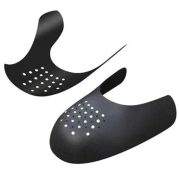
5 Reasons Why You Need Shoe Crease Protectors
A Detailed Overview on Bucket Hats

Top 4 Tips For Laser Hair Removal
Latest News

5 Tips For Choosing a Health Insurance Plan
Healthcare is an essential aspect of our lives, and having the right health insurance plan is crucial to ensure you receive the necessary medical care without breaking the bank. If you’re in Florida and looking for the right coverage, you’ll want to consider various factors before making your decision. In this article, we’ll explore five essential tips to help you choose the best Florida health insurance plan for your needs.
- Assess Your Needs and Budget
- Determine Your Healthcare Needs
- Evaluate Your Financial Situation
Before diving into the world of health insurance plans, take some time to assess your needs and budget. Consider factors such as your age, health condition, and the number of family members you need to cover. Are you relatively healthy and only require occasional check-ups, or do you have pre-existing conditions that require regular medical attention? Additionally, take a close look at your financial situation. Determine how much you can comfortably allocate to health insurance premiums and out-of-pocket expenses.

Understand Different Plan Types
- HMO (Health Maintenance Organization)
- PPO (Preferred Provider Organization)
- EPO (Exclusive Provider Organization)
- POS (Point of Service)
Health insurance plans come in various types, each with its rules and coverage options. Understanding these different plan types can help you choose one that aligns with your needs and preferences. For instance, an HMO plan typically requires selecting a primary care physician and obtaining referrals for specialist visits. In contrast, a PPO plan offers more flexibility in choosing healthcare providers but may have higher premiums.
- Network of Healthcare Providers
- Check the Provider Network
- Ensure Your Preferred Providers Are Included
When choosing a health insurance plan in Florida, it’s essential to check the network of healthcare providers associated with each plan. Ensure that your preferred doctors, specialists, and hospitals are part of the plan’s network. Going out-of-network can result in higher out-of-pocket costs or may not be covered at all, depending on your plan.
- Compare Costs
- Analyze Premiums, Deductibles, and Copayments
- Consider Out-of-Pocket Maximums
Comparing costs is a critical step in selecting the right health insurance plan. Look beyond just the monthly premiums and consider factors like deductibles, copayments, and out-of-pocket maximums. A lower premium may come with higher deductibles, meaning you’ll pay more out of pocket before your insurance coverage kicks in. Understanding these cost factors can help you decide based on your budget and expected healthcare needs.
- Review Additional Benefits
- Explore Coverage for Prescription Drugs
- Consider Added Benefits like Maternity or Mental Health Services
Lastly, review the additional benefits offered by each health insurance plan. Some plans may cover prescription drugs, maternity care, mental health services, or wellness programs. These added benefits can be valuable depending on your specific healthcare requirements. Take the time to review these extras and determine which plan aligns best with your overall health and well-being.
In conclusion, selecting the right health insurance plan in Florida involves carefully considering your needs, budget, and preferences. By assessing your healthcare requirements, understanding different plan types, checking provider networks, comparing costs, and reviewing additional benefits, you can make an informed choice that ensures you and your family have access to the healthcare you need.

Remember that health insurance is a crucial investment in your well-being, so take the time to research and choose wisely. With the right Florida health insurance plan, you can enjoy peace of mind knowing you’re covered when unexpected medical expenses arise.

A Survival Guide to Finding an Airport Taxi in a Foreign Country
Traveling to a foreign country can be an exhilarating experience, but it can also be a bit overwhelming, especially when it comes to navigating transportation options, such as finding an airport taxi. Whether you’re arriving in Vienna and need an Airport Taxi Wien zum Fixpreis or landing in any other unfamiliar destination, having a plan in place for securing a reliable airport taxi is crucial. In this guide, we’ll walk you through the essential steps to ensure a hassle-free journey from the airport to your destination.
Research Ahead of Time
One of the most valuable steps you can take before your trip is to research the transportation options available at your destination airport. Nowadays, many airports have websites or mobile apps that provide information on taxis, rideshares, and public transportation. Look for details on how to find a taxi stand or taxi rank, as well as any pre-arranged services like the “Airport Taxi Wien zum Fixpreis” in Vienna, which offers fixed-rate fares.

Language Preparation
While it’s only sometimes necessary to be fluent in the local language, learning a few essential phrases can go a long way in ensuring a smooth taxi experience. Familiarize yourself with basic greetings, numbers, and directions to convey your destination clearly to the taxi driver. In some countries, having your destination address written in the local language may also be helpful.
Avoid Touts and Unofficial Taxis
Upon arrival, you might encounter people offering taxi services right outside the airport. Be cautious and avoid engaging with these touts. Stick to official taxi stands or authorized taxi services like the “Airport Taxi Wien zum Fixpreis” to ensure your safety and avoid potential scams or overcharging.
Use Ride-Hailing Apps
In many countries, ride-hailing apps like Uber, Lyft, or local equivalents are a convenient and reliable way to secure transportation from the airport. Download the app and set it up before your trip to avoid any hassles upon arrival. Check if the airport allows ride-hailing services, as some airports may have designated pickup areas.
Keep Cash and Local Currency Handy
While many taxis accept credit cards, having some local currency on hand is a good idea, especially if you’re traveling to a destination where cash is the preferred payment method. ATMs at the airport can help you obtain local currency quickly.
Research Fare Estimates
Before hopping into a taxi, it’s essential to have a rough idea of what the fare should be. Research fare estimates online or ask your accommodation provider for guidance. This knowledge will help you avoid overcharging and ensure you get a fair deal.

Verify the Taxi
Always double-check that you’re getting into a legitimate taxi. Look for official taxi markings, license plates, and the driver’s identification. In some countries, taxi drivers are required to display their identification prominently.
Conclusion
Finding an airport taxi in a foreign country can be a seamless experience with proper preparation and a vigilant approach. By researching transportation options in advance, learning a few key phrases, and taking precautions to avoid unofficial taxis, you can ensure a safe and stress-free journey to your destination. Whether you’re heading to Vienna or any other foreign city, remember the importance of reliable services like “Airport Taxi Wien zum Fixpreis” and follow these guidelines for a worry-free arrival at your destination.

How To Quickly Minimize Side Effects of Micro Liposuction
Micro liposuction can effectively achieve the body you desire, removing unwanted pockets of fat and contouring your curves. However, there are side effects associated with micro-liposuction that many patients struggle with. Swelling, bruising, pain, and other issues can make the recovery process uncomfortable or difficult to bear. Fortunately, these effects can often be minimized or managed with a few simple steps.
What Is Micro Liposuction?
Micro liposuction is a minimally invasive procedure involving tiny cannulas to remove small amounts of fat from precise areas throughout the body. It is considered a safe and popular method for sculpting and contouring different parts of the body in order to obtain a desired appearance. The entire procedure usually takes 30-45 mins, depending on how much fat needs to be removed and which areas need treatment.

Swelling & Bruising
One of the most common side effects after micro-liposuction is swelling. Swelling occurs due to trauma caused by the insertion of cannulas into the skin during surgery. This inflammation typically peaks within 24 hours post-surgery but may last up to two weeks before it subsides gradually over time. Bruising is also very common after micro liposuction due to the same reason – trauma caused by inserting tiny tubes under your skin’s surface – however this will typically heal sooner than swelling would.
How To Minimize Swelling & Bruising After Surgery
The best way to minimize swelling and bruising after micro-lipo is by taking preventive measures before and after surgery such as:
• Wearing compression garments:
Compression garments help reduce inflammation while also providing support for the treated area during recovery; they should be worn at all times (except when showering) for optimal results.
• Avoid smoking:
Smoking constricts blood vessels, which could increase swelling in your lips; if you smoke, it’s best to cease any activity until fully recover from surgery.
• Elevating your head:
Keeping your head elevated above heart level can help reduce swelling around your eyes or mouth area; this should be done whenever possible (such as when sleeping).
• Applying ice packs:
Ice packs can help reduce both swelling and bruising post-surgery; apply directly onto affected areas for 15 minutes every few hours (or more frequently if needed).
• Avoiding strenuous activities:
Strenuous activities like running or lifting heavy objects should be avoided post-surgery as these could cause more harm than good; instead, focus on light exercises like walking or yoga that won’t strain you too much yet still provide some physical benefit.

Pain Management
Pain after micro liposuction is common but can be managed with doctor-prescribed or over-the-counter medications such as ibuprofen and paracetamol – remember not to take any medication without first consulting your doctor! Applying cold compresses to the affected areas can also help reduce pain levels while providing temporary relief from discomfort caused by inflammation/bruising/swelling etc. Other tips include avoiding hot showers/baths for 48 hours after the procedure (as heat dilates the veins, increasing the risk of bleeding) and getting plenty of rest to allow your body to recover properly from any minor procedures carried out during the microlipo sessions!
Conclusion
Although it’s normal to experience some discomfort after a cosmetic procedure such as micro-liposuction, there are ways to quickly manage symptoms such as pain, bruising, and swelling! By wearing compression garments throughout the recovery period and taking preventative measures such as avoiding smoking/hot baths/vigorous exercise etc., you will feel better sooner than expected – so don’t worry about feeling down, there’s always hope 🙂

The Importance of a Home Health Answering Service: Enhancing Patient Care
In the modern health care industry, providing superior patient care is one of the most important objectives for any healthcare organization. A home health answering service can greatly enhance this mission by providing quick and reliable access to vital medical information that can be used to improve services. Hospice answering service provide an invaluable resource for home health agencies, as they are able to connect patients with their caregivers in a timely manner. This not only helps enhance patient care but also ensures that both parties receive the best possible support when facing difficult situations.
What Is a Home Health Answering Service?
A home health answering service is a 24/7 telephone line answered by trained professionals who have knowledge about specific organizations’ policies and protocols. The service acts as a bridge between clients, family members or other healthcare providers and the agency itself, enabling them to communicate and share essential information quickly and accurately. Having such an efficient system in place can help provide better customer service and ensure that all needs are met in a timely manner.

Benefits of an Answering Service for Home Health Care Providers
Using an answering service can provide many benefits for home health care providers, including:
- Streamlining communication:
By having a dedicated line answered by knowledgeable staff members, communications between clients, families or other healthcare providers become much more efficient. As messages are relayed directly to recipients without delay or additional steps involved, there is less room for misunderstandings or missed information which could lead to complications down the line.
- Improved workflow management:
An automated answering machine will allow you to manage your daily workflow more efficiently as you don’t need to rely on manual processes like voice mailboxes or paper trails. Additionally, having an automated system means that client inquiries will no longer take up valuable time as they will be sent straight away instead of waiting in queues before being dealt with manually. With easy access to messages at any time of day – even during off-hours – it’s easier than ever before for providers to stay on top of their workloads while still delivering high-quality patient care services.
- Enhanced patient experience:
When patients know they have direct access to someone who understands their needs and is willing to help out when needed, they feel more secure and reassured throughout their treatment process – something which is essential if you want your clients happy with your work! Furthermore, having someone available who knows how best handle queries from different types of people (elderly individuals, disabled persons, etc.) further increases satisfaction levels within the organization itself by making sure everyone feels taken cared for properly during their visits to home health facilities
- Cost savings:
One of the biggest advantages of using an automated phone system is cost savings – by removing labor costs associated with manually managing calls made via traditional landline phones; money saved can be allocated elsewhere within the budget such as investing in new technologies or training resources which would otherwise be impossible due diligence requirements were not met centrally through an online portal like hospice answering service solutions do today.

- Increased accuracy:
Finally, another key benefit offered through these services lies within its ability to increase accuracy when dealing with sensitive patient information – everything from results given back after tests have been conducted right through to referrals sent to specialist teams across various disciplines all become done so seamlessly without risking potential human error occurring along way giving users confidence knowing data remains protected safe hands every step journey.
Conclusion
The importance of using a home health answering service cannot be overstated when it comes to improving patient care – whether it’s streamlining communication flows, improving overall workflow management, reducing costs spent on laborious tasks, or increasing accuracy in handling confidential data. By investing in quality hospice answering service solutions, providers now have the opportunity to effectively manage calls quickly and easily, ensuring the highest level of comfort and assurance is provided to those who rely on them during difficult times.

Cracking The Code: Strategies for Buying Instagram Followers Safely
As a business owner or influencer, you may be tempted to buy followers on Instagram. It is an easy way to quickly boost your presence and engagement in the platform, while increasing your credibility with potential customers and sponsors. But it’s important to understand that buying followers isn’t as safe as it looks. That’s why we’ve put together this guide on safely purchasing Instagram followers – including Deccanherald’s top picks for buying IG followers.
Types of Fake Followers
Before we get into our strategies for purchasing followers safely, let’s take a look at some of the different types of fake accounts that exist out there:
Bot Accounts:
These are automated accounts created by software programs that automatically follow people and engage with their content. They usually have no real profile information, and often lack any activity besides liking or commenting occasionally on other users’ posts.

Paid Accounts:
These are typically created by individuals who post comments or likes on other users’ pages in exchange for money. These tend to have more active profiles than bot accounts but still have low engagement levels from actual users.
Dead/Inactive Accounts:
These were once real people who stopped using the platform entirely or got banned due to violating terms of service agreements. They still appear in search results because they need to be removed, but they don’t show any signs of activity.
Spam Accounts:
As their name implies, they are created solely to post spammy comments or links to malicious websites on other users’ pages. They usually have low numbers of followers and very little content posted online.
Strategies For Safely Purchasing Followers
Now let’s dive into our strategies for purchasing Instagram followers safely without getting caught up in spammy tactics or risking account suspension. Here’s what you need to know:
1) Choose quality over quantity:
When buying followers, quality should always come before quantity – especially if you want them to stick around for the long term! So when choosing where and who to buy from, make sure they guarantee quality profiles that won’t disappear after a few weeks (or even days). Look for companies that offer ‘real’ or ‘organic’ followers, with detailed bios and photos attached to each profile, so you know exactly what kind of following you’re paying for upfront.
2) Don’t buy from just anyone:
Not all websites selling Instagram followers are legitimate – which means not all will provide genuine, organic profiles that will last! To ensure you’re only dealing with reputable providers, do your research beforehand; read customer reviews and check out the company’s social media presence before committing your money to a purchase. Also, be wary of suspiciously low prices – they could be bots masquerading as genuine profiles!
3) Do your own legwork:
While buying a few extra fans can help kick-start your growth initially (especially if done correctly), remember that you’ll still need to do the legwork yourself if you want to achieve sustained success in gaining real engagement over time – especially as most platforms now detect artificial increases in follower counts pretty easily! Dedicate enough time each day/week to engaging with others in your target audience through meaningful conversations; comment thoughtfully on their posts & start discussion topics relevant to them; and keep a close eye on trending topics to stay ahead of the curve & visible to potential new fans throughout the year.
4) Monitor your account regularly:
Last but not least, monitor your account regularly – both before AND after you make a purchase! Before, check which metrics are most important (e.g. amount spent vs. a total number of purchases) so that you can compare the numbers afterward & assess whether it was worth investing in those extra likes/followers etc; then afterward, keep an eye out for any sudden spikes or drops in overall engagement rates over time, so that if necessary, corrective action can be taken quickly without causing unnecessary further damage along the way.

The bottom line
Buying Instagram followers isn’t necessarily a bad thing – just make sure it’s done smartly! Remember, not all sites selling Instagram services are legitimate; do your research before making any purchases and pay attention to details when choosing which type best suits your needs (ie quality vs quantity). Finally, remember that too much automation = red flags for IG algorithms – so manual efforts still need to play an important role in this whole process too; instead, use insights from analytics data wisely for different activities, such as targeted outreach campaigns specifically aimed at increasing organic reach.

Liposuction: What You Need to Know Before and After the Procedure
Are you considering liposuction as an option for reshaping your body and removing fat deposits? Liposuction is a popular cosmetic procedure that can help create a more contoured figure. Darren Smith MD offers awake liposuction in NYC, allowing patients to experience improved results with less downtime. Having realistic expectations before undergoing the procedure is important for achieving successful outcomes. Here’s what you need to know before and after getting liposuction.
What Is Liposuction?
Liposuction (also known as suction lipectomy) is a type of cosmetic surgery used to reduce areas of unwanted fat from certain body parts, such as the abdomen, hips, thighs, buttocks, arms or neck. It’s usually done under local anesthesia or general anesthesia using small incisions and suctioning out unwanted fat cells through hollow tubes called cannulas. Liposuction aims to improve appearance by sculpting different areas of your body rather than reducing overall weight significantly.

Benefits & Risks of Liposuction
Like any other surgical procedure, there are both benefits and risks associated with liposuction. Some potential benefits include:
• More permanent results compared to non-invasive treatments
• Improved overall body shape without creating sagging skin
• Decreased risk factors linked to obesity, like diabetes
Risks may include infection, excessive bleeding, nerve damage or reaction to anesthesia. It’s important to note that people who are overweight should consider losing weight through diet and exercise before doing this procedure since it won’t lead to significant weight loss.
Preparing For Your Surgery
Before having this procedure, you will probably have an initial consultation with your doctor to discuss your desired outcome and to review any medical history or allergies that may affect the outcome of the procedure. You’ll also have the opportunity to ask questions about any concerns you may have about the surgery itself, such as potential risks or expected recovery time. Your doctor may recommend further tests before your appointment, such as blood tests or imaging scans, to make sure you’re healthy enough for surgery. Once all these details have been addressed, it’s time for the pre-operative instructions, which usually include quitting smoking for at least two weeks prior to surgery due to an increased risk of complications during the healing process after surgery, along with avoiding anti-inflammatory medications such as ibuprofen prior to surgery as these can also increase bleeding potential during/after surgery! Also, make sure you have someone available to drive you home after the procedure, as the sedation may affect your ability to drive safely afterward!
Recovery & results from liposuction
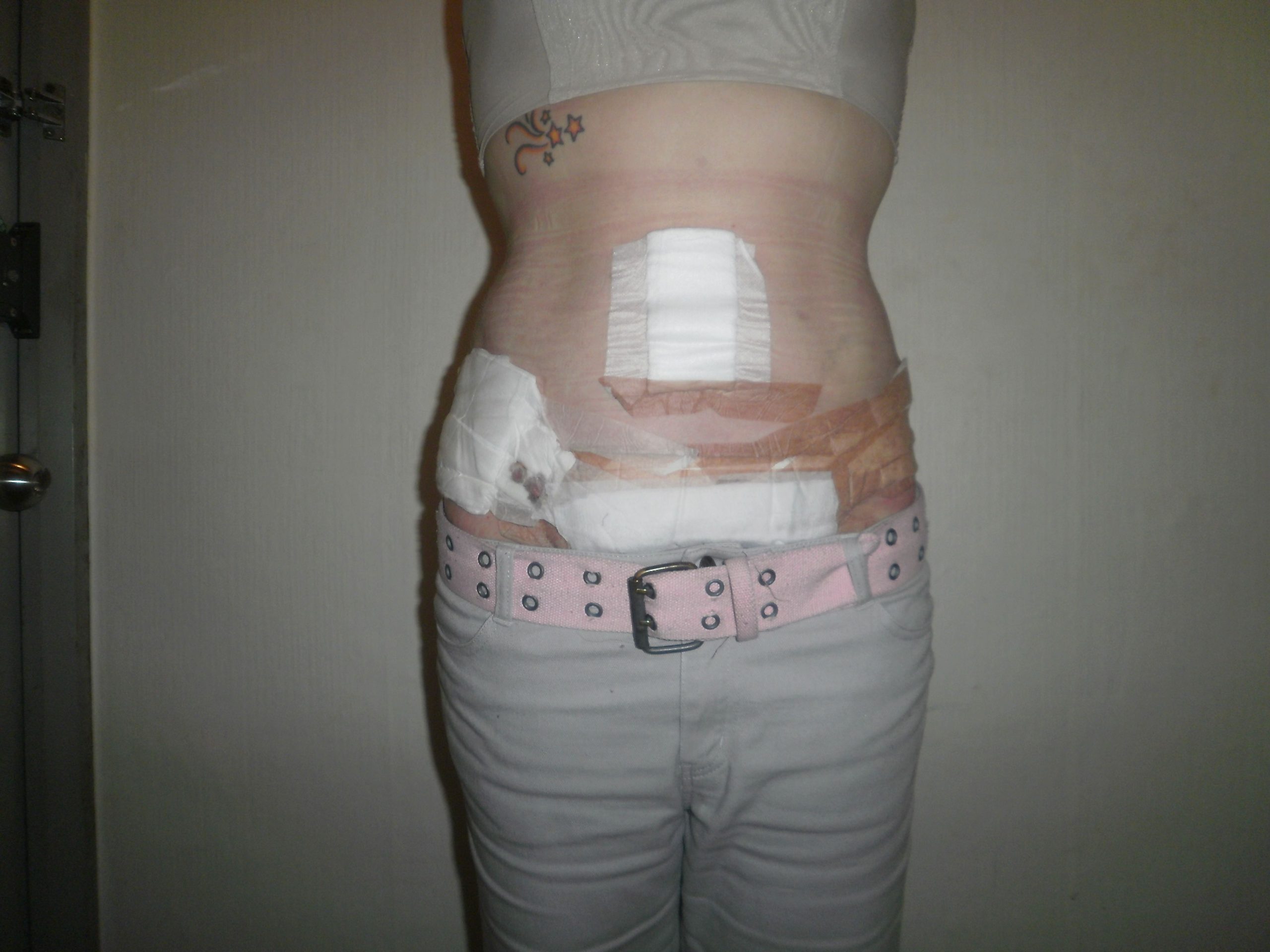
Immediately after surgery, most patients experience some soreness and swelling around the treated area(s). Compression garments are often worn over a bandage applied directly to the skin to minimize discomfort while aiding healing over the next few days/weeks following surgery! Mild painkillers may be prescribed if needed, but it’s important to avoid strenuous activity in the early stages of the post-operative period due to potential complications such as fluid build-up, medically known as seroma, which may require additional surgical intervention down the line if left untreated initially! With proper care however, results should start to become visible within 3 months of treatment date, although full effects take up to 12 months to reach their peak level of efficacy once final settling has occurred! Long-term success depends on individual patients maintaining healthy lifestyle habits, including a balanced diet and regular exercise regime, which their chosen specialist recommends they adhere to going forward to maintain the new shape achieved through lipo procedures performed earlier in life!
Final thoughts on liposuction
Anyone interested in having liposuction must understand all aspects involved in terms of safety precautions needed to achieve desired results when researching, surgeons who perform this type of operation choose carefully the best fit personal needs and preferences as each provider offers different sets of pros and cons depending on skill set unique abilities bring to the table each case basis discussed beforehand between professional setting well-informed patient given time in advance. No matter how complex the situation may appear, others looking from an outside perspective are familiar with the particular field expertise required to complete the task successfully. The result proves satisfactory; both sides involved ultimately agree on mutually beneficial terms and reach a point of satisfaction met regarding job being completed in a satisfactory manner everyone happy and moves on to next step journey towards healthier, better version of self, lives today, tomorrow, and future beyond imagination!
How to Prevent and Manage Bruising and Bleeding With a Butterfly Needle
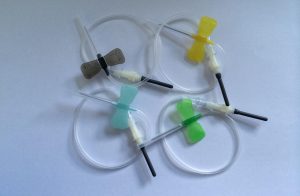
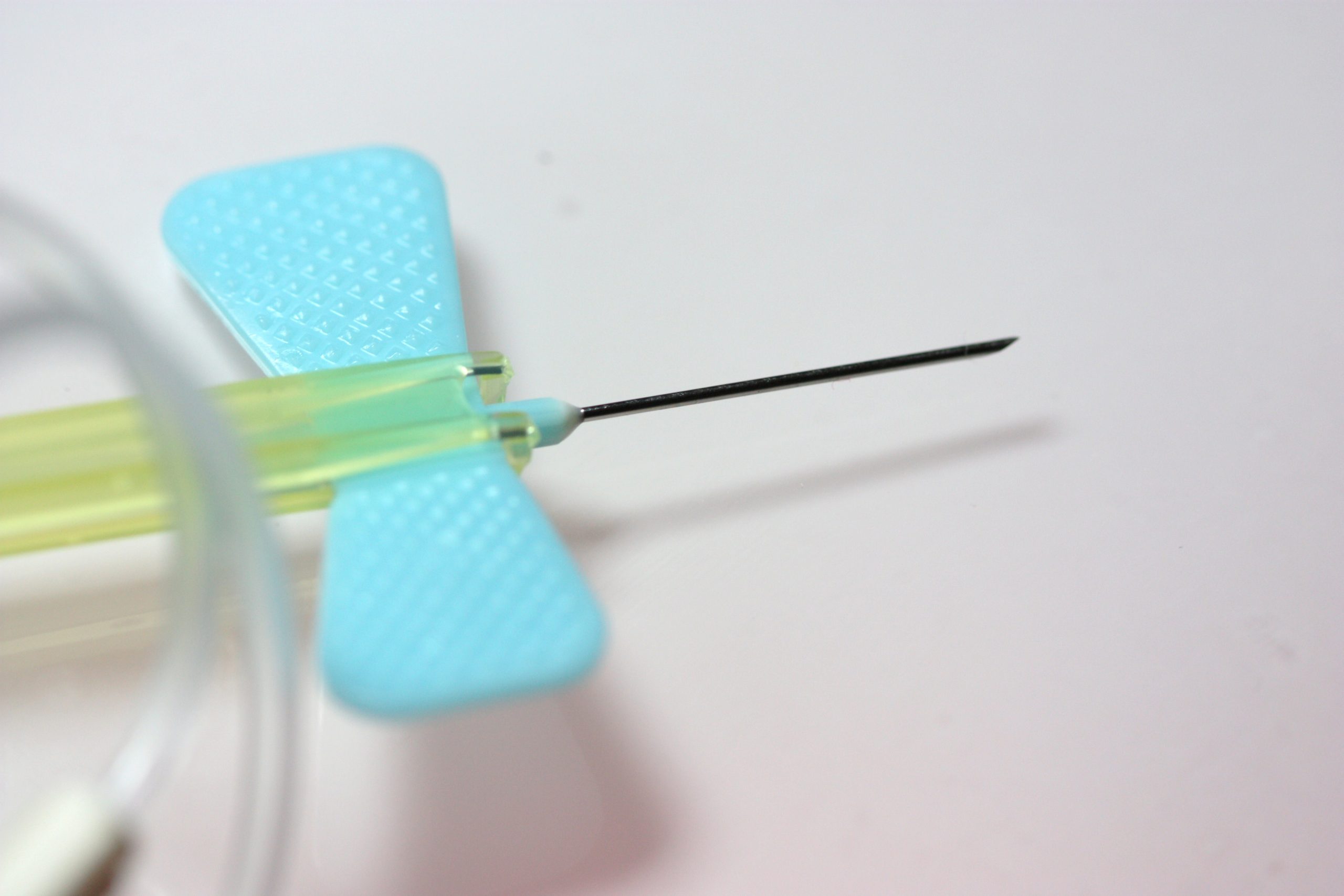
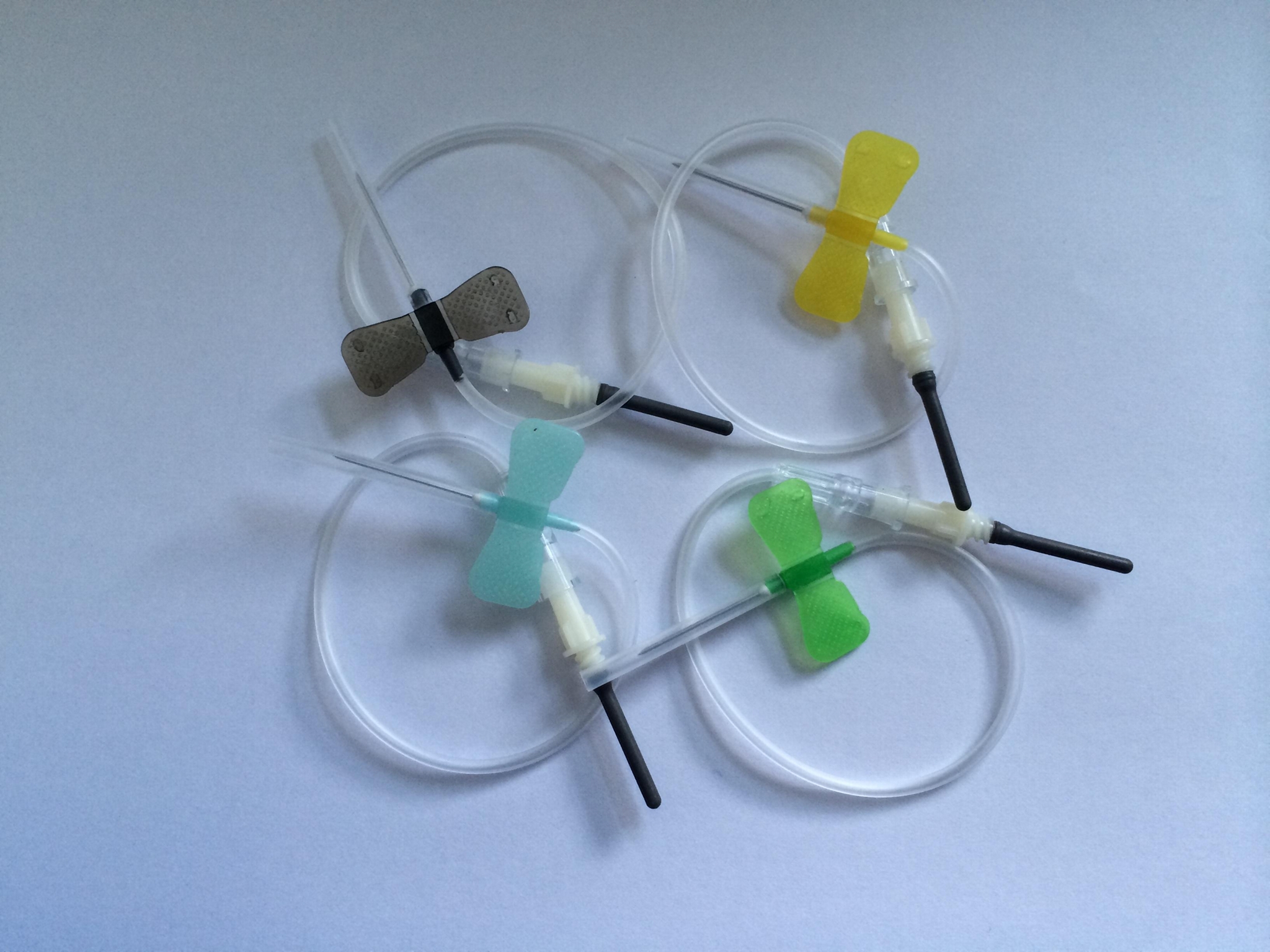
A butterfly needle, also known as a winged infusion set or scalp vein set, is an intravenous (IV) catheter used for blood draws and fluid infusions. Most commonly used in pediatric settings, this needle minimizes pain and discomfort during the insertion process while helping to reduce the risk of bruising or bleeding. Here’s how you can use it to prevent and manage these issues:
A butterfly needle consists of two parts – the metal tubing with three wings on its base and a sharp point on one end, which is designed to pierce through the skin. This type of IV catheter is typically attached to a syringe filled with saline solution or other fluids that are required for various treatments. The wings help secure the device against the patient’s skin, making it easier to insert without causing much discomfort or damage.
Benefits Of Using A Butterfly Needle
The primary benefit of using a butterfly needle is that it helps minimize pain and discomfort when inserting an IV line into an individual’s veins. As compared to regular needles, this device provides more stability during insertion because of its wings, which help keep it in place even when performing certain movements such as flexing the arm or changing positions. In addition, it reduces the risk of bruising or bleeding due to its shallow insertion depth combined with its broad area at contact with the skin surface.
Preparing For Insertion
When preparing for the insertion of a butterfly needle into a person’s veins, several steps must be taken in order to ensure successful treatment outcomes:
1. Cleanse The Skin:
First, clean any dirt from the area where you plan to insert the IV line using antiseptic wipes or soap and water; this will help reduce the risk of infection from bacteria entering through open wounds or abrasions near the injection site.
2. Locate the vein:
Next, find out exactly where you need to insert the needle by gently palpating the arms until the desired vein is found – if possible, try to ask the patient where they prefer their IV line to be inserted beforehand, so you can be prepared to spend time looking for suitable options during the procedure itself.
3. Prepare equipment:
Ensure that you have all the necessary equipment before you start the procedure – including gloves (for the doctor/nurse), alcohol swabs/antiseptic wipes (to clean the injection site), gauze (if needed), strips of tape (to secure the IV line once it is in place), etc.
4. Insert the needle:
Finally, begin to insert the butterfly needle into the intended vein, being careful not to push down too hard as this could cause damage; once fully inserted, use the tape strips provided earlier if required, then attach the syringe filled with saline solution/fluids as required by the treatment protocol, followed by flushing the line as normal routine…
5. Flush the line:
Once the insertion is complete, flush the line with a 10mL syringe filled with normal saline, then attach the appropriate connectors depending on the type of infusion being given, whether continuous intravenous therapy (CIVT) or intermittent pump-assisted medication delivery system (IPAMS). If all goes according to plan, continued monitoring should be carried out for the duration specified by the clinician overseeing the case, until finally the entire set-up is removed when no longer required!
Managing bruising and bleeding with a butterfly needle
If the insertion has been done correctly, there shouldn’t be any major complications associated with bruising/bleeding, but if any do occur, here are some tips on how best to manage them:
1. Ice pack treatment:
Apply a cold compress-like ice pack directly on the affected area for 20 minutes at a time interspersed with 15-minute breaks until the swelling subsides significantly enough to allow proper functioning again without fear of re-injury caused by excessive pressure building up in the particular region…
2. compression bandages:
The use of compression bandages wrapped around bruised limb provide additional support, limit mobility further reduces the chance of recurrence of similar problems later down the road whilst simultaneously helping to reduce inflammation via gentle massaging motion exerted each time wrapped either tighter, looser fit depending on preference/needs current situation requires…
3. medication:
Depending on the severity of the problem, it may be necessary to take medication prescribed by the doctor; anti-inflammatory drugs such as ibuprofen, naproxen, sodium acetylsalicylic acid, aspirin, etcetera all have proven track records of helping alleviate the pain associated with trauma, soothing affected areas and providing relief long enough for the patient to be able to comfortably move about again normally…..
4. rest:
Finally, rest is an important part of the healing process because it allows the body an adequate amount of time to heal itself naturally without being put under undue stress preventing muscle tears from happening in the future – get plenty of sleep maintain a healthy diet exercise regime balanced lifestyle overall improve chances of speedy recovery from injury completely!
Conclusion
In conclusion, using a butterfly needle is an effective way to perform IV treatments while minimizing pain and discomfort during insertions as well as reducing risks related to bruising and bleeding afterward due to its shallower insertion depth combined with wide contact surface area against the skin surface itself making safer option over traditional needles alone thus allowing patients to receive care much faster less strain on the medical staff who are responsibly administering intravenous therapies themselves irrespective of age, gender, race, religion etcetera.
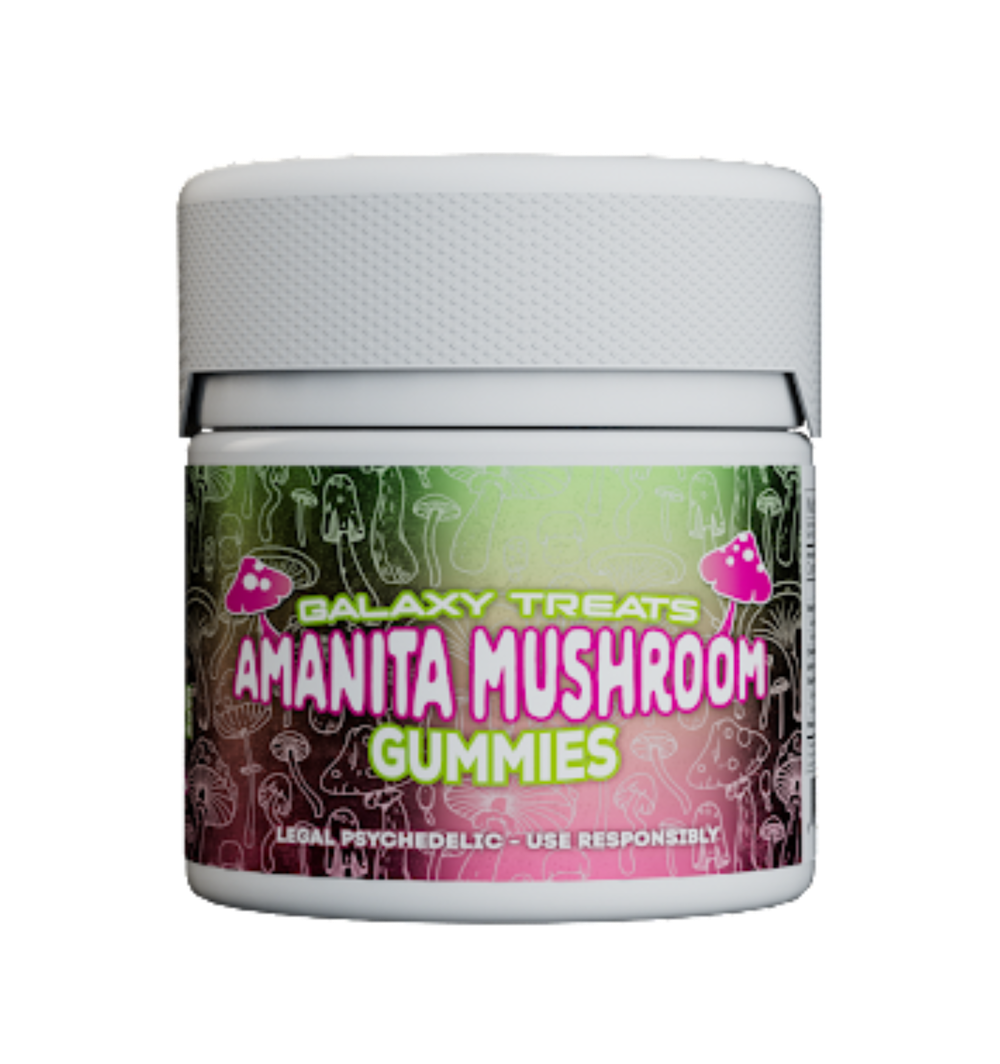
A Beginner’s Guide To Amanita Muscaria Mushrooms Edibles
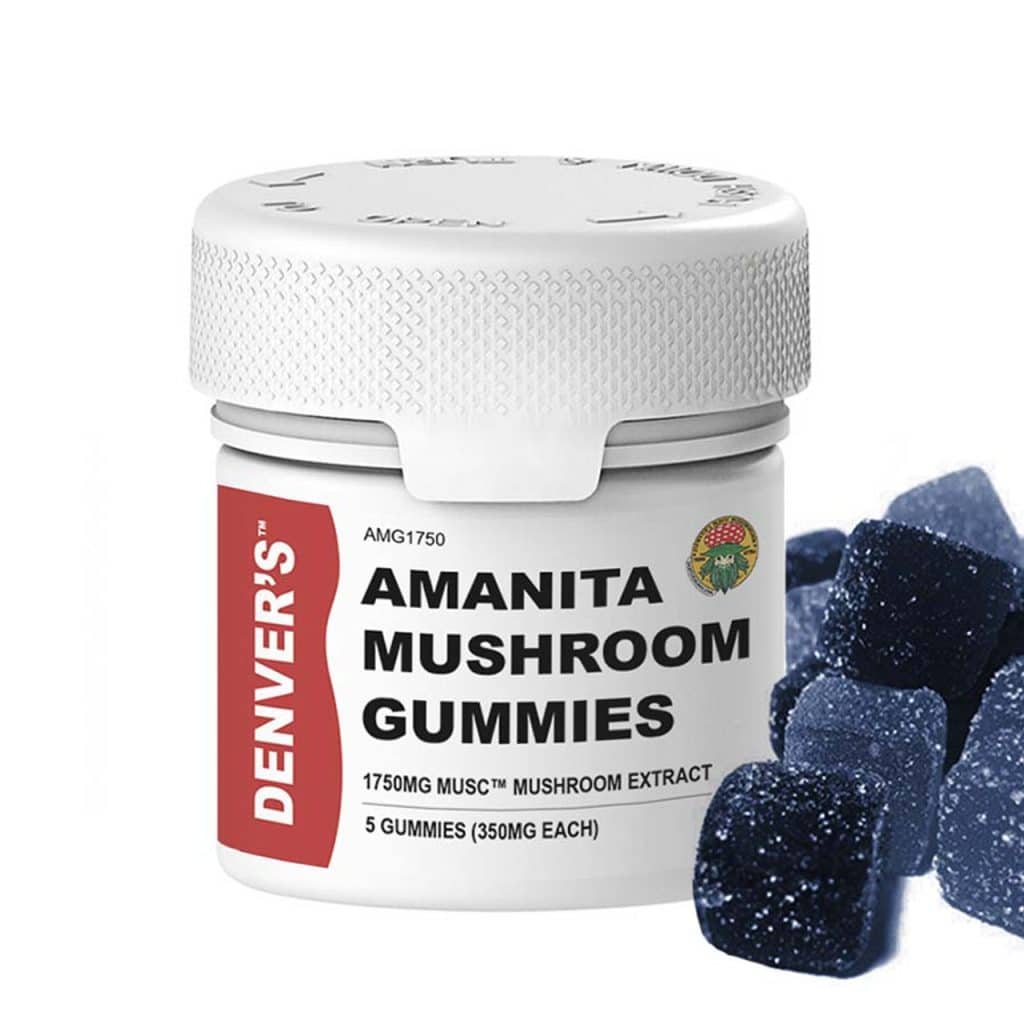
With an eye-catching bright red cap adorned with white spots, the iconic Amanita muscaria mushroom is a captivating sight. But beyond its good looks, this fascinating fungus has been used for thousands of years as a recreational and medicinal substance. Many are turning to Amanita muscaria edibles as an alternative to smoking or taking hallucinogens. Read on for our beginner’s guide to consuming these mushrooms safely and responsibly. Check these amanita muscaria for sale online at exhale well
Amanita muscaria is a species of mushroom found in temperate climates around the world. It varies in color from yellow, orange and red, depending on its age and geographical region. The caps can reach up to 8 inches in diameter, with white patches throughout. Although they grow mainly near birch and pine trees, they can also be found near spruce or fir trees in North America and Europe.
The Effects Of Eating Amanita Muscaria
Eating raw or dried Amanita muscaria mushrooms can cause side effects such as nausea, vomiting or diarrhea within 1-2 hours after ingestion. The active ingredient ibotenic acid may also cause hallucinations or altered states of consciousness lasting up to 6 hours if taken in high doses. As always when dealing with psychoactive substances, it is important to start low and go slow until you know your individual reaction – start with small doses (1-3 mushrooms) before gradually increasing as needed over time.
Preparing Edibles From Amanita Muscaria Mushrooms
To avoid the unpleasant side effects of eating them raw, some people prefer to cook their amanitas into edibles, such as tea or capsules, before consuming them. To make the tea: boil 3 grams of dried mushrooms per cup of water for 15 minutes on a low heat, stirring occasionally so that all the ingredients are thoroughly mixed, and strain the pieces through a cheesecloth before consumption (note: add honey/sugar/milk to taste). Alternatively, you can grind 2-3 fresh mushrooms into powder before encapsulating them into pills for easy consumption (you may wish to add other herbs such as chamomile flowers, which have calming properties).
How to buy amanitas responsibly
A big part of having a safe psychedelic trip is sourcing quality products from reputable suppliers who have gone through rigorous testing procedures – not only will this ensure you get the best possible results, but it will also help reduce the risks associated with scams or counterfeit products that don’t work properly! Fortunately, there are now plenty of online stores where you can buy authentic Amanitas with confidence – check out these Amanita muscaria for sale online at exhale well.
Dosage considerations for amanitas
Everyone reacts differently to psychedelics, so it’s important to take the time to find what works best for your body type and metabolic rate, starting with lower doses than the general guidelines suggest (e.g. 0.25-0.5g dried weight). Remember that even if you do not experience any adverse effects initially, higher doses may cause unpleasant effects later on! Therefore, it’s important that users regulate their own intake through careful experimentation over time, rather than jumping straight to the maximum dose!
Long-term use & safety concerns of psychedelic substances
While short-term use of psychedelics generally poses minimal risk provided that proper safety precautions are taken (such as setting intentions beforehand), long-term use should be avoided unless under medical supervision due to the strict regulations governing these substances worldwide – especially when combined with other medications/drugs as reactions can be unpredictable! Furthermore, those suffering from pre-existing conditions such as schizophrenia/bipolar disorder should seek professional advice before engaging in any kind of psychedelic experience, just as anyone would when considering taking any new medication!
Conclusion
In conclusion, while the consumption of edible forms of the iconic mushroom is becoming increasingly popular amongst recreational drug enthusiasts; we hope that this article serves as both an informative guide providing insight into how best to approach using these powerful plants; as well as sound advice warning of the potential dangers associated with irresponsible use thereof – ultimately helping everyone to stay safe whilst exploring alternative drugs.

How To Make The Most Of Full Salon Entertainment At Gangnam Pool Salon
Gangnam Pool Salon is a 풀 싸롱 entertainment facility located in Seoul, South Korea. It offers fun activities for people of all ages and backgrounds, ranging from swimming to bowling. Here are some tips on how to enjoy a variety of activities that can be found at this unique location.
1: Learn the Rules and Regulations
Before enjoying any activity at Gangnam Pool Salon, it’s important to make sure you know the rules and regulations. This will ensure everyone has an enjoyable and safe experience while participating in swimming pools or bowling lanes. The staff can provide information about safety protocols or special equipment needed for certain activities.

2: Get Ready with Attire and Equipment
Once you’ve familiarized yourself with the rules, it’s time to get ready for your day of full salon entertainment! You’ll need several items depending on which activity you plan to participate in. For instance, if you want to go swimming, be sure to bring a swimsuit and towel; if you’re going bowling, bring comfortable shoes and gloves.
3: Take Advantage of Discounts
Gangnam Pool Salon often offers discounts on admission prices or specific services such as massage chairs or saunas. These discounts can help save money while still providing quality entertainment options. It’s worth looking into what specials may be available so that you can take advantage of them when visiting the pool salon.
4: Try Something New
The great thing about having access to a full salon entertainment facility is that many different options are available! From karaoke rooms to laser tag, something new awaits around every corner at Gangnam Pool Salon. If you’re feeling adventurous, why not try out something new? You never know what kind of fun experiences await!
5: Enjoy Food Options
No visit would be complete without trying out some delicious food options! Whether it’s grabbing lunch at one of their restaurants or snacking on snacks from their snack bar – Gangnam Pool Salon has plenty of tasty treats that everyone can enjoy together after hours spent participating in various activities throughout the day.

6: Have Fun Together
Finally – don’t forget just how much fun spending time together can be! Exploring all the different entertainment options offered by Gangnam Pool Salon is a great way for family members and friends alike to bond over shared experiences and memories made during visits here. So don’t forget – have fun together!

How to Boost Your Fat Burning and Masculinity with SARM for Weight Loss: The Best Option for Men
SARMs, or selective androgen receptor modulators, are becoming increasingly popular among men looking to lose weight, increase muscle mass, and boost their masculinity. SARMs provide the perfect combination of fat-burning potential and muscle-building effects to help you reach your goals faster. In this article, we’ll look at some of the best sarms to lose weight while boosting your masculinity.

A SARM (Selective Androgen Receptor Modulator) is a drug designed to mimic the effects of anabolic steroids without their adverse side effects. They are often used by bodybuilders, athletes and others looking to cut down on fat while increasing lean muscle mass. Unlike traditional anabolic steroids, which have been linked to severe health risks such as liver damage and infertility, SARMs have fewer side effects making them a safer option for those wanting to bulk up quickly without risking their health.
Benefits Of Using SARMs For Weight Loss
1. Increased Metabolism:
A higher metabolism allows your body to burn more calories daily, helping you reach your weight loss goals faster. This is especially beneficial if you’re trying to lose stubborn belly fat resistant to dieting or exercise alone.
2. Improved Muscle Growth:
With increased metabolism comes improved muscle growth which helps maintain strength levels even when cutting calories during a dieting phase. This will ensure that you don’t lose all the hard work put into building those muscles during bulking cycles before beginning a cutting cycle again when attempting to shed excess body fat further down the road.
3. Reduced Water Retention:
When using certain types of SARMs like Ostarine MK-2866, water retention can be significantly reduced, which leads to more excellent definition in both face and abs providing a more aesthetic appearance overall as well as helping eliminate any bloating feeling caused by excess water retention around organs such as kidneys or intestines during dieting phases leading up competitions where aesthetics count heavily toward judging criteria’s placement.
Which SARM is best for weight loss?
Ostarine MK-2866 is one of the most widely used SARMs amongst fitness enthusiasts due to its ability to not only stimulate muscle growth but also reduce stored fat in unwanted areas such as the abdomen or love handles while preserving hard-earned muscle gains made over time through consistent training regimes throughout the year regardless of whether it is bulking or cutting season. Additionally, Ostarine MK-2866 suppresses appetite meaning hunger pangs felt between meals will be drastically reduced, allowing individuals to closely adhere to calorie deficit requirements needed for a successful weight loss journey ahead so results stay permanent well after discontinuing usage altogether.
Side effects of using SARMS for weight loss
Although generally considered safe relative to other performance-enhancing drugs, possible side effects include dry mouth, headaches, increased blood pressure, mood swings due to hormonal imbalances & hair thinning/alopecia. However, this last point mainly applies to male pattern baldness sufferers. It’s essential to consult a medical professional before taking any kind of supplement, including Sarms, to ensure there are no pre-existing conditions that would aggravate the previously taken effects. Additionally, since most Sarms are still undergoing clinical trials, long-term side effect profiles as yet unknown remain largely unconfirmed; thus, caution should be exercised whenever consuming these substances regardless of how certain one may feel about the short-term benefits gained by doing so.
Dosage recommendations to consider before taking any SARM supplement
The dosage recommendation for any particular SARM depends highly on the individual’s level of experience & desired outcome expected from taking the said substance. Novice users are advised to start with very low dosages, around 10 milligrams daily & gradually increase the amount taken until a sweet spot is found where maximum benefit is achieved without the risk of severe adverse reactions. More experienced users may be able to handle higher amounts of up to 30 milligrams daily; however, they are still advised to keep track of progress by closely monitoring any signs of developing adverse reactions mentioned above. Furthermore, stack combinations of different sarms to obtain a tailored response to specific needs, achieving optimal results at the end game rather than relying on a single compound itself being sufficient enough to deliver the same intended result.

Conclusion
In conclusion, Sarms offers unique benefits that make great choices for individuals wishing to enhance their masculine physique while losing excess fat obtained through poor dietary habits and sedentary lifestyles. Knowing the correct dosage is essential to unlocking the full potential offered, provided the user does a little research beforehand to establish what best suits him and his wants and needs by the suggested guidelines outlined in today’s article. Following the advice given here today, maximize the benefits gained from Sarm supplementation and reach your ultimate physique dreams as soon as possible!

Tips for Installing and Positioning Your New Best Dual Zone Wine Coolers
Having the best dual zone wine coolers in your home is a great way to store and enjoy your favorite bottles of wine. But, before you can enjoy that first sip, you must install and position your new cooler correctly. Here are 10 tips to help you get it right!

1.Choose an Appropriate Location
When deciding where to place your wine cooler, consider both temperature and proximity. It’s ideal to keep the cooler away from sources of heat such as radiators or ovens so that temperatures remain steady inside the unit. You should also consider how close it will be to other appliances like a fridge or freezer – if they’re too close together, this could cause condensation issues.
2. Read Installation Instructions Carefully
Whether you’re installing the wine cooler yourself or hiring someone else to do it for you, make sure you read through all instructions carefully beforehand. This will ensure that everything is done safely and correctly so there won’t be any problems down the line with performance or energy efficiency.
3. Consider Ventilation Requirements
Most wine coolers require some ventilation, either at the top or back of the unit, to work properly. Check which type yours needs and make sure there’s enough space around it for air to flow so it doesn’t overheat when running.
4. Measure before you buy
It’s important to measure both the width and height of a wine cooler when deciding which size to buy – don’t forget the depth! Always check the measurements against the product listings before making a purchase so that you know exactly what size unit will fit easily into the intended location once installed.
5. Prepare the floor for the weight of the unit
Once you have decided where to place your new cooling system, you will need to take steps to prepare the floor beneath it for its weight – especially if you are placing it on carpets, as these may not be able to support heavier units as easily as hard floors). Try adding supports underneath (such as plywood) or thickening existing flooring with extra padding laid over it in advance, just in case extra reinforcement is needed later when things settle in after a successful installation.
6. Use a spirit level to ensure stability
Before plugging in your new wine cooler, use a ruler (or spirit level/bubble level) over its surface lengthways/widthways/side-to-side etc. and check that said item remains upright throughout i.e, perfectly horizontal (or vertical, depending on placement) along each side edge considered individually – this should ensure stability during subsequent use; keeping beverages stored within safe from any unwanted spillage taking place during their stay within whilst still securely attached within itself accordingly, whether upright/on its side , by means of placing & securing firmly down onto whatever surface areas were previously chosen whenever possible.
7. Check the seal around the door.
Once your new dual-zone wine cooler has been set up and carefully positioned, check that there are no gaps or leaks around the door seal that could allow colder air to escape from the inside. If necessary, adjust the door hinges slightly until all the edges meet snugly and form a continuous tight seal when the door is closed, then re-close it properly to ensure that maximum efficiency is maintained at all times.

8. Don’t overfill with bottles
Lastly, although tempting due to the sheer excitement of owning one now finally, after weeks of patiently waiting, hopefully on arrival soon enough, especially after a successful setup, having been recently prepared beforehand, suitably ready & willing; never stuff too many bottles in, even though the capacity may be large enough to allow for more than originally thought originally planned accordingly remember safety always comes first above all else regardless unfortunately okay better lucky a few full rather than several overloaded risking accidents occurring unintentionally causing potential damage repair costs trouble later down the line avoidable mistakes made early instead of prevented avoided altogether thankfully joy forever remembered nicely nice indeed surely!

The Best Fat Burner Supplements to Speed Up and Simplify Your Weight Loss
Losing weight can be a difficult journey. Achieving your desired physique requires dedication, discipline, and hard work. While no pill or supplement will get you there overnight, fat burners can aid in speeding up the process. This article explores the best fat burner supplements available today and how they can help simplify your weight loss journey. We’ll also look at sculpt nation burn reviews for one of these popular supplements.
 What are Fat Burners Supplements?
Fat burner supplements are natural products that contain ingredients designed to help promote thermogenesis (heat-producing metabolic reaction) which helps boost calorie burning within the body. They come in many forms, including pills, powders, liquids and capsules. These products may contain vitamins and minerals and plant extracts like green tea extract or caffeine anhydrous that act as stimulants to raise energy levels while aiding in fat loss.
Benefits of Taking Fat Burner Supplements
Fat burner supplements have numerous benefits when it comes to losing weight quickly and easily, such as:
1) Increased Metabolism:
Many fat burner supplements contain caffeine, which stimulates metabolism by increasing basal metabolic rate (BMR). This means more calories are burned even while at rest!
2) Appetite Control:
Sure fat burners can help reduce cravings by curbing hunger pangs throughout the day, allowing you to stay on track with your diet plan without feeling deprived or hungry.
3) Improved Focus & Mood:
Caffeine has been shown to improve concentration and mood – essential for staying motivated during weight loss! In addition, some other ingredients found in fat burners, such as Rhodiola Rosea, may provide anti-anxiety properties to help keep stress levels low.
Sculpt Nation Burn Reviews
Sculpt Nation Burn is a premium thermogenic formula designed for women who want to shed those stubborn pounds fast! Packed with powerful ingredients such as anhydrous caffeine, green tea extract and L-carnitine, this product has been formulated with women’s specific needs – providing long-lasting energy without a crash plus appetite control! Testimonials from customers who have used this product report significant increases in energy levels throughout their workouts and improved mental clarity – making it easier than ever to stick to their diet/exercise regimen, bringing them closer to their ultimate goal of a slimmer figure!

The bottom line
Using high-quality fat burner supplements alongside regular exercise and healthy eating habits can benefit anyone looking to speed up their weight loss progress without sacrificing results due to lack of motivation or hunger pangs getting the best of them! With so many different products on the market today, it’s essential to do your research before committing to a particular brand – but if you’re looking for a great place to start, Sculpt Nation Burn is worth considering based on its impressive reviews from customers who have already experienced its positive effects first-hand!

The Truth Behind Man Flu Myth Busted: Tips to Fight Off Colds and Flu
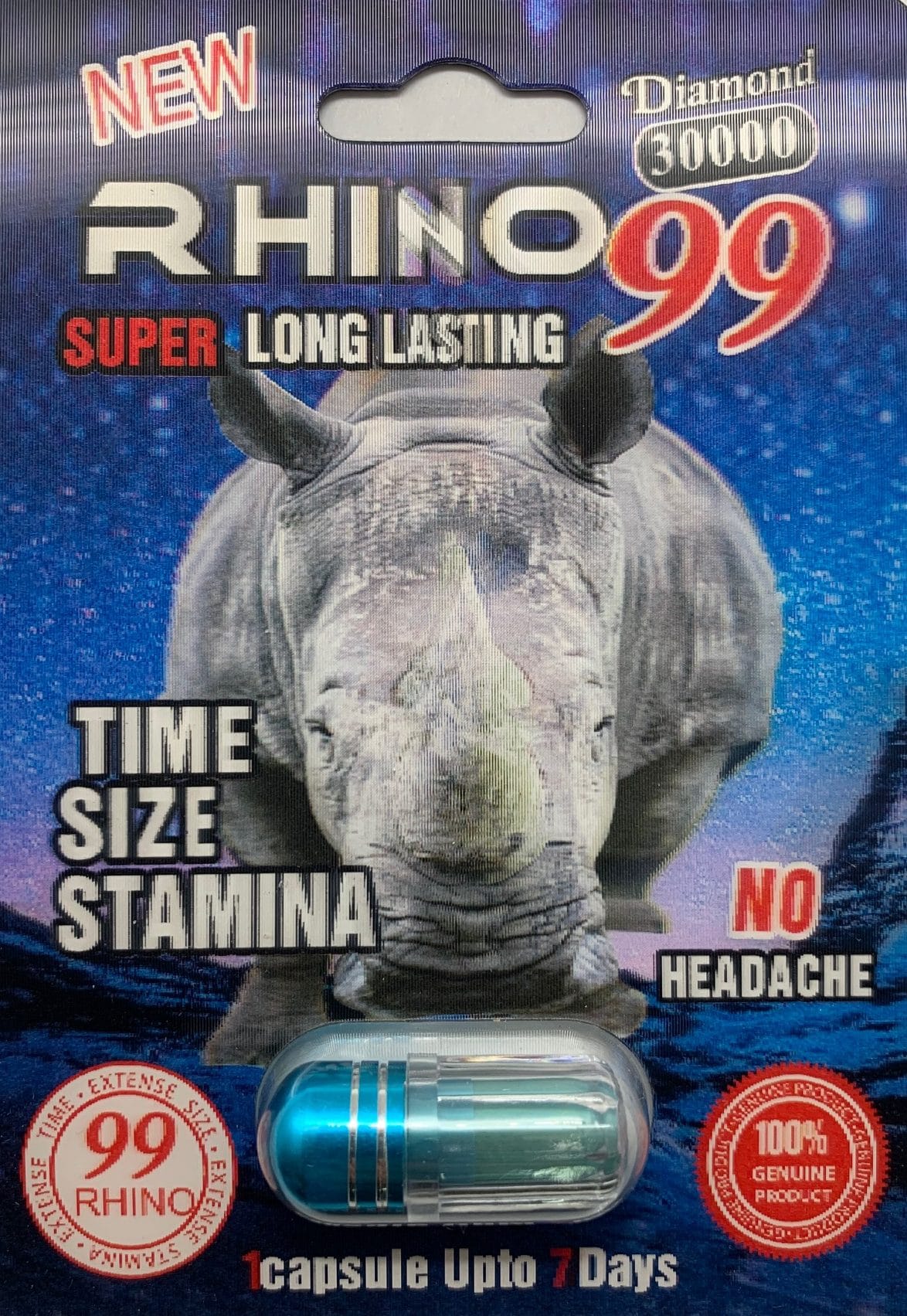
Have you ever heard of the infamous “man flu”? This colloquial term refers to the belief that men exaggerate the symptoms of the common cold or flu when they fall ill, often leading to humorous stereotypes about their ability to endure sickness. However, recent studies suggest that there might be more to this phenomenon than meets the eye. Before we delve into debunking the man flu myth, let’s address another common misconception: the use of pills for erectile dysfunction as a remedy for colds and flu.
The Reality of Man Flu
Contrary to popular belief, research indicates that men may experience more severe symptoms when afflicted with respiratory viruses compared to women. A study published in the British Medical Journal found that men had a weaker immune response to the flu virus, leading to longer recovery times and increased susceptibility to complications. While it’s essential to recognize that individual experiences may vary, the notion of man flu has garnered some scientific backing.
Debunking the Myth
Despite the evidence suggesting differences in immune responses between genders, the term “man flu” often carries a dismissive connotation, implying that men overreact to common illnesses. However, attributing exaggerated symptoms solely to gender overlooks the biological factors at play. Instead of dismissing these experiences, it’s crucial to acknowledge and address them appropriately.
Tips to Combat Colds and Flu
Regardless of gender, there are several strategies to fend off colds and flu and alleviate symptoms when they strike:
- Practice Good Hygiene: Wash your hands frequently, especially before eating or touching your face, to prevent the spread of germs.
- Boost Your Immune System: Maintain a healthy lifestyle by eating nutritious foods, staying physically active, and getting enough sleep.
- Stay Hydrated: Drink plenty of fluids, such as water, herbal teas, and broth, to keep your body hydrated and support immune function.
- Use Over-the-Counter Remedies: Over-the-counter medications like decongestants, pain relievers, and cough syrups can help alleviate cold and flu symptoms. However, always follow the recommended dosage and consult a healthcare professional if unsure.
- Consider Natural Remedies: Some people find relief from cold and flu symptoms through natural remedies like honey, ginger, and saline nasal rinses. While research on their effectiveness varies, they may offer complementary support alongside conventional treatments.

Unveiling the Buzz: The Science Behind Delta 8 THC in Edibles and Carts
In the world of cannabis consumption, the landscape is ever-evolving. From traditional joints to modern vape pens, the variety of options seems endless. One of the latest trends causing a stir in the market is the emergence of Delta 8 THC-infused edibles and carts. This fascinating compound has piqued the interest of both seasoned enthusiasts and curious newcomers alike. But what exactly is Delta 8 THC, and what makes it such a hot topic? Let’s delve into the science behind this intriguing cannabinoid.

Understanding Delta 8 THC
Delta 8 Tetrahydrocannabinol, often referred to simply as Delta 8 THC, is a lesser-known cannabinoid found in the cannabis plant. While it shares similarities with its more famous cousin, Delta 9 THC—the primary psychoactive compound in marijuana—it possesses its own unique properties and effects. Delta 8 THC is chemically different from Delta 9 THC by only a few atomic bonds, but this small variance results in notable differences in how it interacts with the body’s endocannabinoid system.
The Legality Debate
One of the reasons for Delta 8 THC’s surge in popularity is its legal status. While Delta 9 THC remains classified as a Schedule I controlled substance in many places, Delta 8 THC occupies a legal gray area in some jurisdictions. This legal ambiguity has allowed for the production and sale of Delta 8 THC products, including edibles and carts, in regions where traditional marijuana products are restricted.
Delta 8 THC in Edibles
Edibles infused with Delta 8 THC offer a discreet and convenient way to consume this cannabinoid. Whether in the form of gummies, chocolates, or baked goods, Delta 8 THC edibles provide a delicious alternative to smoking or vaping. The effects of Delta 8 THC edibles typically take longer to manifest compared to inhalation methods but tend to last longer once they kick in.
The Appeal of Weed Carts
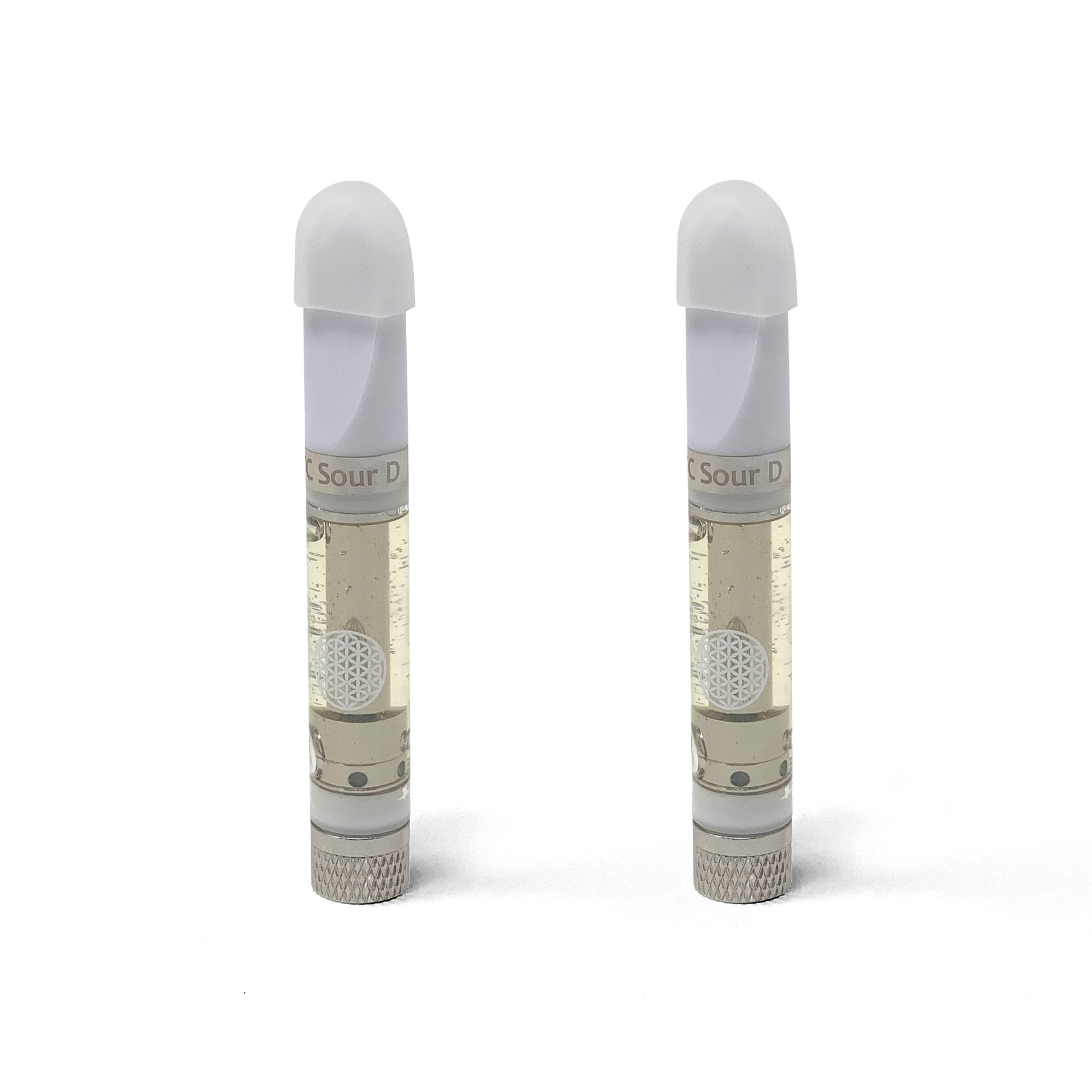
Weed carts, short for cartridges, have become increasingly popular among cannabis enthusiasts looking for a convenient and portable way to enjoy their favorite strains. These cartridges are filled with concentrated cannabis oil, often containing Delta 8 THC, and are designed to be attached to a compatible vape pen or battery. Weed carts offer users a discreet and odorless method of consuming Delta 8 THC, making them ideal for on-the-go use.
The Science Behind the Buzz
So, what accounts for the buzz surrounding Delta 8 THC? The answer lies in its interaction with the body’s endocannabinoid system. Like Delta 9 THC, Delta 8 THC binds to the CB1 receptors in the brain and nervous system, producing psychoactive effects. However, Delta 8 THC is known for producing a milder and more clear-headed high compared to its counterpart, making it appealing to those who seek a more manageable experience.
Potential Benefits and Considerations
Advocates of Delta 8 THC tout its potential therapeutic benefits, which may include relief from pain, anxiety, and nausea. However, more research is needed to fully understand its effects and safety profile. As with any cannabis product, consumers should exercise caution and consult with a healthcare professional before incorporating Delta 8 THC into their wellness regimen.

Unlocking The Potential: Exploring Delta-8 and Your Health
In recent years, there’s been a growing interest in alternative wellness solutions, leading many to explore cannabinoids beyond the widely-known THC and CBD. Delta-8, a lesser-known cannabinoid, has been making waves in the health and wellness community. Its potential benefits and considerations are worth understanding for those seeking alternative remedies. In this article, we’ll delve into the world of Delta-8, its possible health benefits, and what you should consider before incorporating it into your wellness routine.
Understanding Delta-8: What Is It?
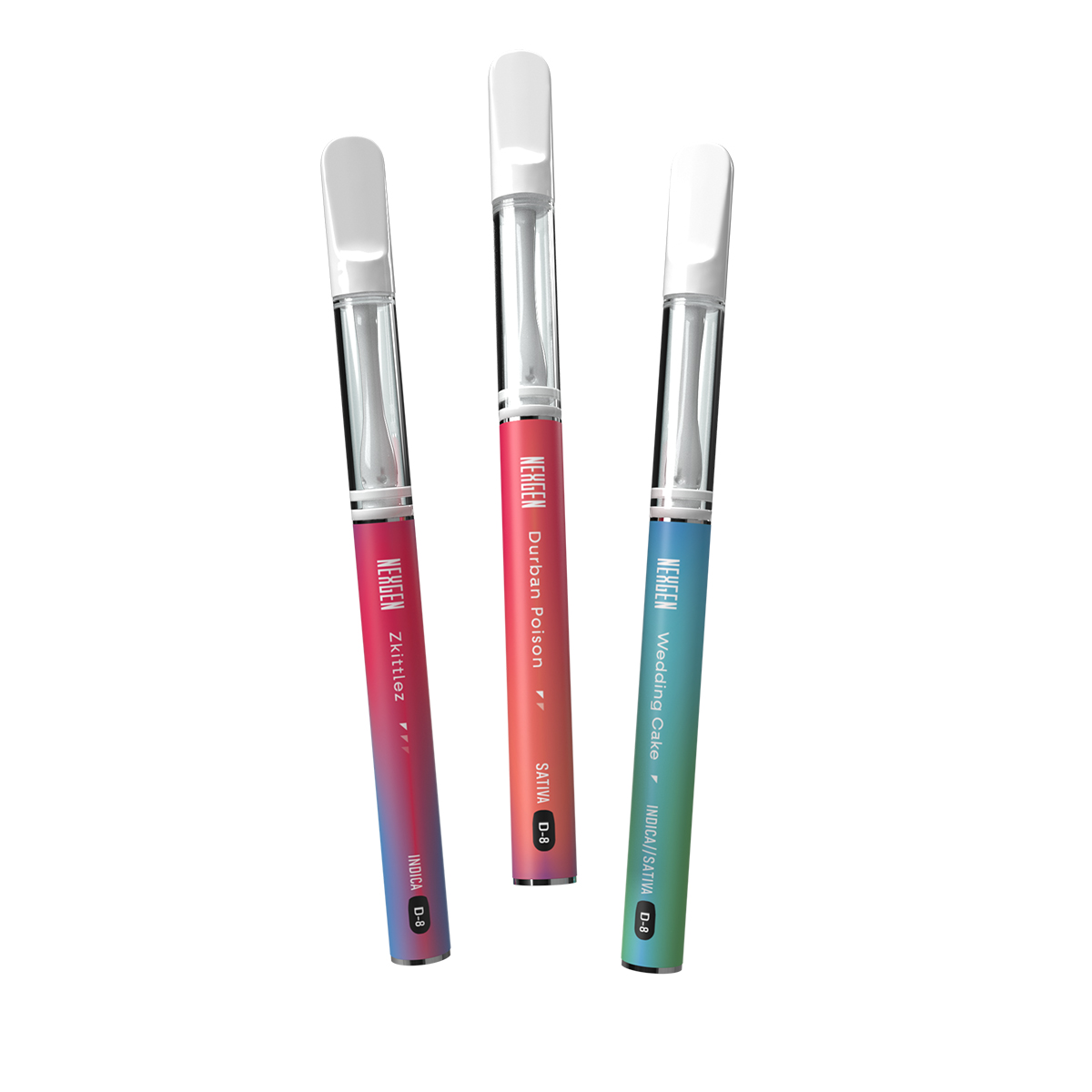
Delta-8-tetrahydrocannabinol (Delta-8 THC) is a cannabinoid found in cannabis plants, albeit in much lower concentrations compared to THC or CBD. Similar to its more famous cousin THC, Delta-8 binds to the body’s endocannabinoid system, albeit with less potency. This interaction is believed to be responsible for its potential therapeutic effects.
The Potential Health Benefits of Delta-8
Research on Delta-8 is still in its infancy, but preliminary studies and anecdotal evidence suggest several potential health benefits. These may include relief from pain, anxiety reduction, appetite stimulation, and even neuroprotective properties. Some users report experiencing a milder psychoactive effect compared to Delta-9 THC, making it a potentially appealing option for those seeking relief without intense intoxication.
Considerations Before Trying Delta-8
Before incorporating Delta-8 into your wellness routine, it’s essential to consider a few factors. Firstly, legality varies from jurisdiction to jurisdiction, so it’s crucial to understand the legal status of Delta-8 in your area. Additionally, as with any supplement or cannabinoid product, quality and purity are paramount. Ensure you purchase Delta-8 products from reputable sources that provide third-party lab testing to verify potency and purity.
Potential Risks and Side Effects
While Delta-8 may offer various potential health benefits, it’s essential to be aware of potential risks and side effects. Like other cannabinoids, Delta-8 may cause drowsiness, dry mouth, or changes in appetite, especially at higher doses. Some individuals may also experience paranoia or anxiety, particularly if they are sensitive to THC’s psychoactive effects. If you’re new to cannabinoids or have underlying health conditions, it’s advisable to consult with a healthcare professional before trying Delta-8.
Finding the Right Product for You:
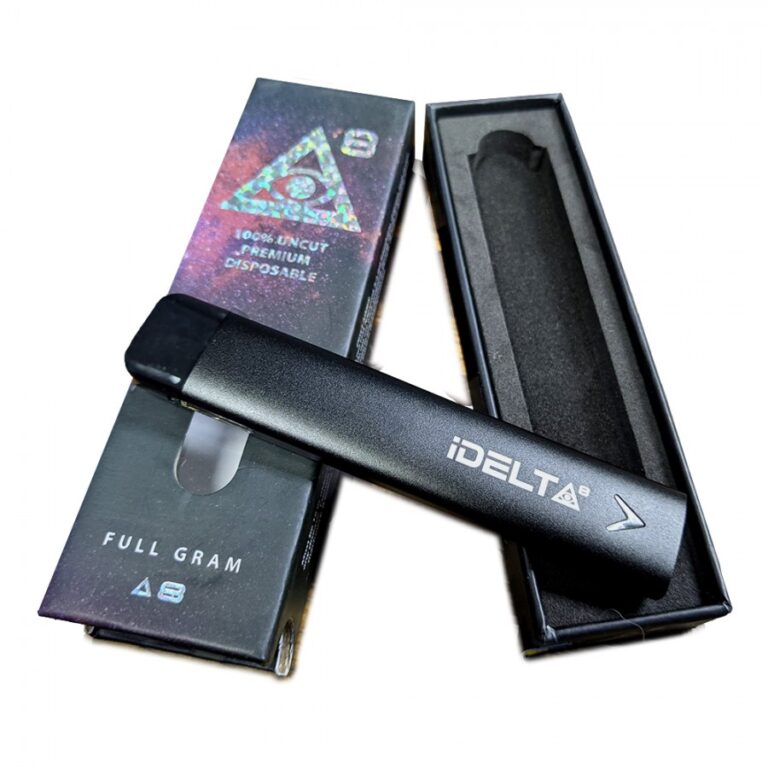
When exploring Delta-8 products, finding a reputable brand that prioritizes quality and transparency is essential. Exhale Wellness, for instance, offers a range of Delta-8 products crafted with care and precision. From tinctures to edibles, their products undergo rigorous testing to ensure purity and potency, giving consumers confidence in their purchases. Additionally, Exhale Wellness maintains transparency by providing comprehensive information about their sourcing, manufacturing processes, and third-party lab results, allowing customers to make informed decisions about their Delta-8 consumption.
Harnessing THCV: Tame the Munchies with Exhale Wellness Gummies
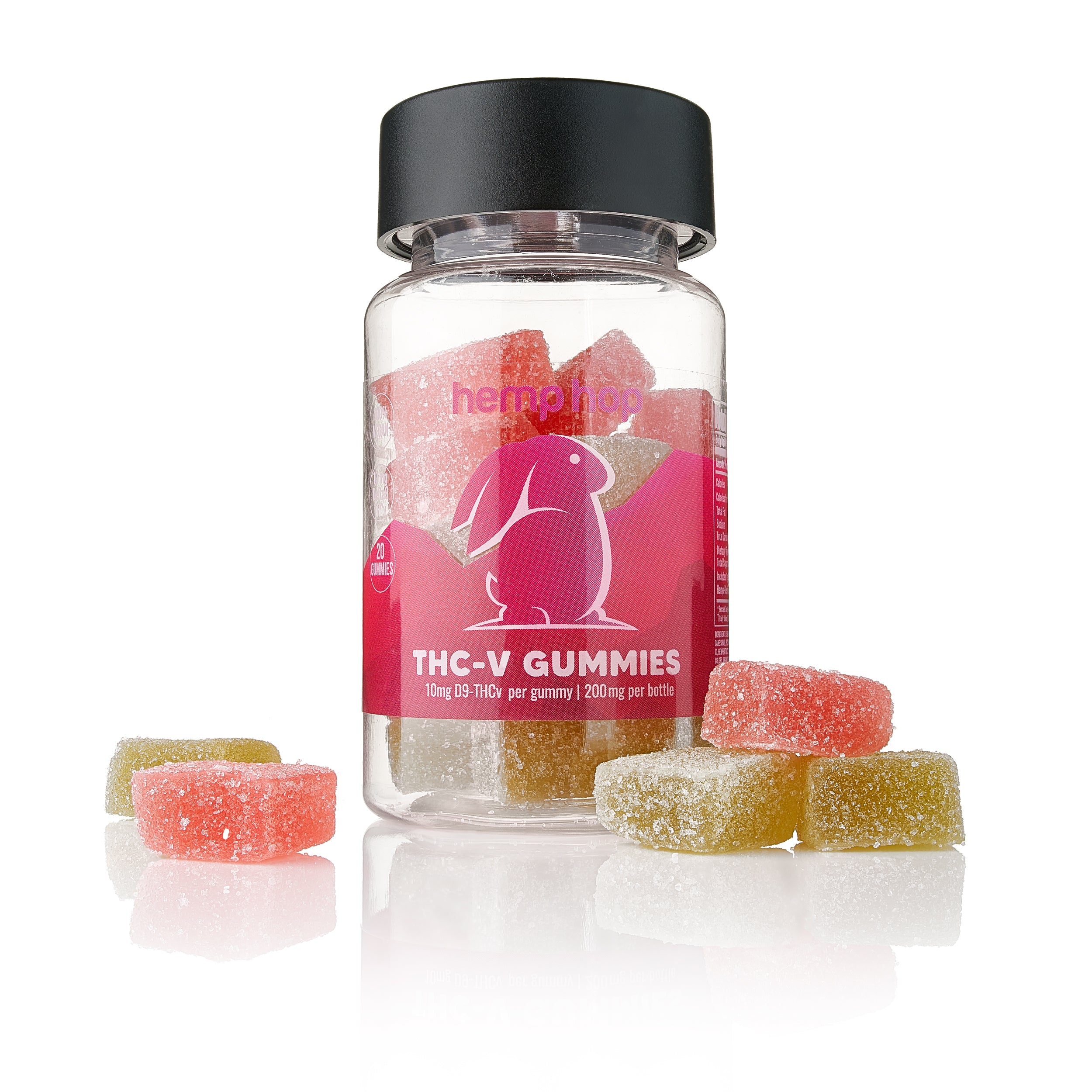
The battle against the munchies can often feel like an uphill struggle in the quest for weight management. However, emerging research suggests that THCV gummies could offer a novel solution to this age-old problem. With the help of Exhale Wellness, a leading provider of cannabinoid-infused products, individuals may find newfound support in their journey toward healthier eating habits.
Understanding THCV and Its Potential
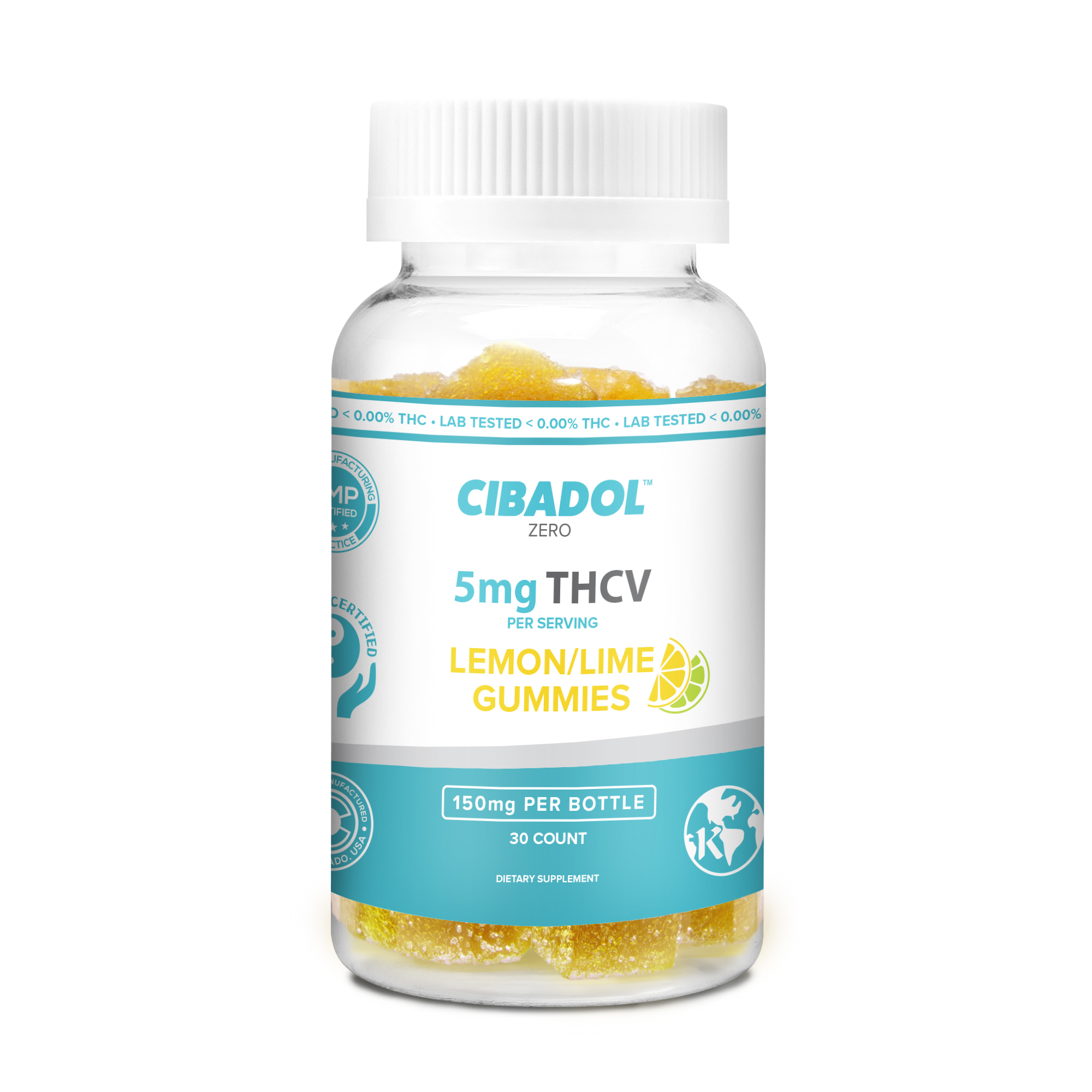
THCV, or tetrahydrocannabivarin, is a cannabinoid found in cannabis that has garnered attention for its potential effects on appetite regulation and metabolism. Unlike its well-known counterpart THC, THCV is not associated with the same psychoactive effects, making it an attractive option for those seeking therapeutic benefits without the high. Studies have indicated that THCV may act as an appetite suppressant and could play a role in regulating energy balance within the body, making it a promising candidate for weight management support.
The Role of Exhale Wellness in Providing THCV Gummies
Exhale Wellness has capitalized on the potential of THCV by incorporating it into their range of wellness products, including delicious gummies. These gummies offer a convenient and discreet way to incorporate THCV into one’s daily routine, providing a consistent dose with each serving. Made with high-quality ingredients and rigorously tested for potency and purity, Exhale Wellness gummies are a trusted option for individuals looking to harness the benefits of THCV for weight management.
Navigating the Munchies: How THCV Gummies Can Help
One of the biggest challenges in weight management is dealing with cravings and the urge to overeat, often referred to as the “munchies.” These cravings can derail even the most well-intentioned dietary plans, whether triggered by stress, boredom, or habit. THCV gummies from Exhale Wellness offer a promising solution by targeting the underlying mechanisms of appetite regulation. By modulating the endocannabinoid system, THCV may help reduce the intensity of cravings and promote feelings of satiety, making it easier to resist the temptation to overindulge.
A Holistic Approach to Wellness
Weight management is not just about controlling appetite; it’s about fostering a holistic approach to health and well-being. Exhale Wellness recognizes this and emphasizes the importance of lifestyle factors such as diet, exercise, and stress management in achieving optimal results. By incorporating THCV gummies into a comprehensive wellness routine, individuals can address multiple facets of their health simultaneously, setting the stage for long-term success.

Introducing Delta 10 Gummies: A Game-Changer in the Delta Landscape
In the ever-evolving world of cannabinoid derivatives, a new contender has emerged, poised to shake up the market: Delta 10 gummies. With the growing popularity of Delta-8 THC products, it was only a matter of time before innovators turned their attention to other cannabinoids. Delta 10 THC, a close relative of Delta-8 and Delta-9 THC, offers a unique experience that’s gaining traction among cannabis enthusiasts. Now, with the introduction of Delta 10 gummies, consumers have a convenient and tasty way to explore this promising cannabinoid.
Unraveling the Mystery of Delta 10 THC
Delta 10 THC is a lesser-known cannabinoid that occurs naturally in cannabis in trace amounts. Like its more famous counterparts, Delta 10 interacts with the body’s endocannabinoid system, albeit with some differences in its effects. While Delta-9 THC is known for its potent psychoactive properties and Delta-8 is celebrated for its milder effects, Delta 10 occupies a fascinating middle ground. Users report a clear-headed high that’s simultaneously energizing and uplifting, making it an attractive option for those seeking a balanced cannabis experience.
The Rise of Delta 10 Gummies: Convenience Meets Quality
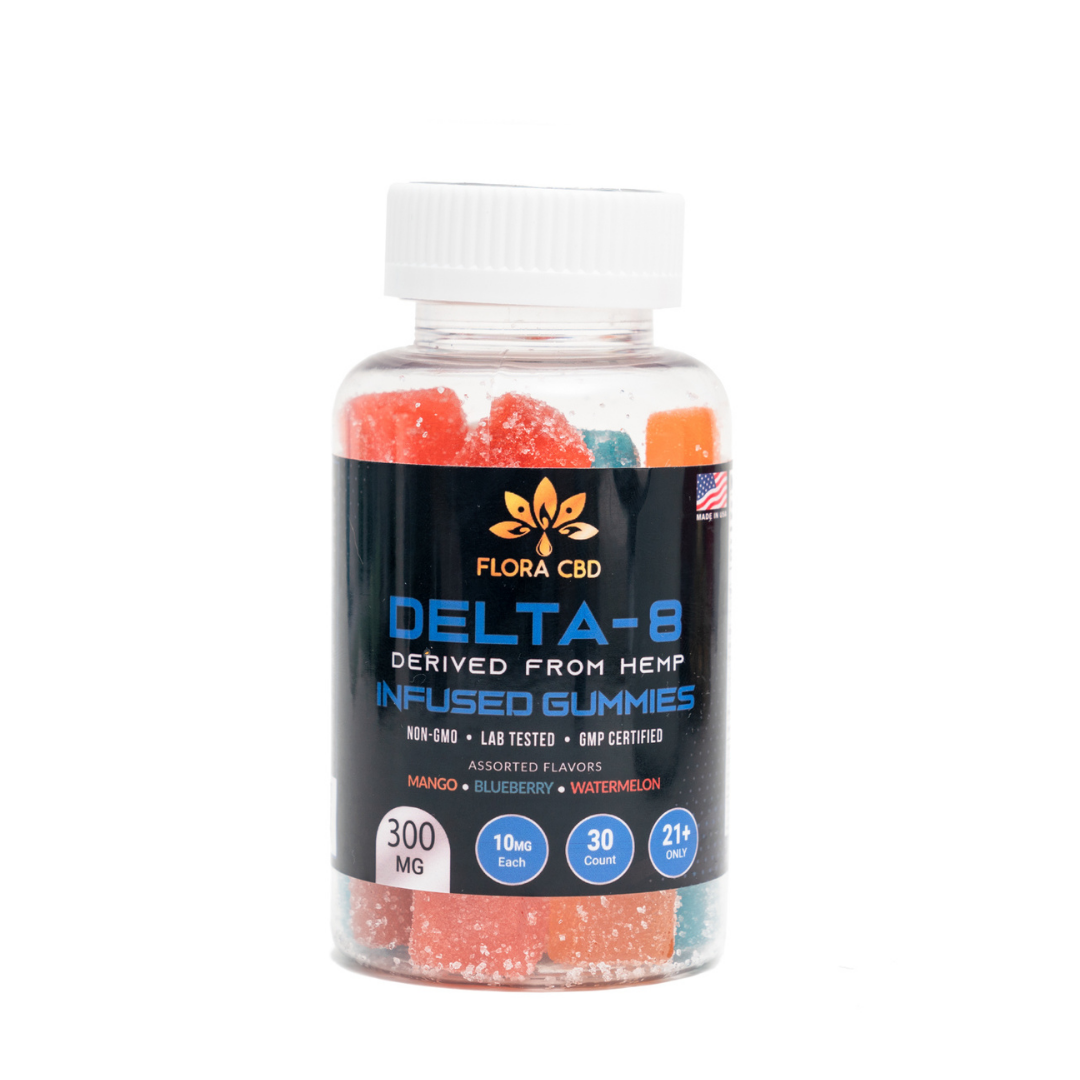
Delta 10 gummies represent the latest evolution in cannabinoid-infused edibles, offering a convenient and discreet way to enjoy the benefits of this intriguing compound. Crafted with precision and care, these gummies boast a delicious flavor profile while delivering a consistent dose of Delta 10 THC. Whether you’re a seasoned cannabis connoisseur or a curious newcomer, Delta 10 gummies provide a user-friendly entry point into the world of alternative cannabinoids.
Navigating the Legal Landscape
As with any cannabinoid product, the legality of Delta 10 gummies can vary depending on location and regulations. While Delta-8 THC has faced scrutiny in some jurisdictions, Delta 10 occupies a relatively uncharted legal territory. However, it’s essential for consumers to research and understand the laws governing cannabinoid products in their area to ensure compliance and peace of mind.
The Future of Delta 10: Innovation and Exploration
With the introduction of Delta 10 gummies, the landscape of cannabinoid products continues to expand and diversify. As researchers and manufacturers delve deeper into the potential of Delta 10 THC, we can expect to see further innovations and refinements in product formulations and delivery methods. Whether it’s gummies, tinctures, or vape cartridges, the possibilities are endless as we uncover new ways to harness the power of cannabinoids for health and wellness.

Embracing a New Frontier
Delta 10 gummies offer a tantalizing glimpse into the future of cannabis consumption, combining convenience, quality, and innovation in one delectable package. As consumers embrace alternative cannabinoids and explore new horizons, the demand for products like Delta 10 gummies is likely to continue growing. Whether you’re seeking relaxation, inspiration, or simply a new experience, these gummies invite you to embark on a journey of exploration and discovery in the ever-expanding world of cannabinoids.

Unlocking the Potential: THCP Dosing 101
In the ever-expanding landscape of cannabis derivatives, THCP has emerged as a promising compound, garnering attention for its potential therapeutic benefits. As interest grows, so does the availability of THCP products online. However, navigating the realm of dosing requires understanding and caution to ensure safe and effective use. This guide aims to provide clarity on THCP dosing, empowering users to make informed decisions for their well-being.
Understanding THCP
THCP, or tetrahydrocannabiphorol, is a lesser-known cannabinoid found in cannabis. It shares structural similarities with THC (tetrahydrocannabinol), the more familiar psychoactive compound in marijuana. However, THCP is believed to be significantly more potent, potentially offering enhanced therapeutic effects. Research on THCP is still in its infancy, but preliminary studies suggest it may possess anti-inflammatory, analgesic, and neuroprotective properties.

Start Low, Go Slow
When incorporating THCP into your wellness routine, it’s crucial to start with a low dose and gradually increase as needed. Due to its potency, even small amounts of THCP can have pronounced effects. Begin with the smallest recommended dose and observe how your body responds before considering adjustments. This cautious approach minimizes the risk of adverse reactions and allows for personalized dosing based on individual tolerance and sensitivity.
Consult with a Healthcare Professional
Before experimenting with THCP or any cannabinoid, consulting with a healthcare professional is advisable, especially if you have pre-existing medical conditions or are taking medication. While THCP shows promise as a therapeutic agent, its interactions with other drugs are not yet fully understood. A healthcare provider can offer personalized guidance based on your health status and help mitigate potential risks.
Consider Your Goals
Before determining your ideal THCP dosage, consider your wellness goals and reasons for using the compound. Are you seeking relief from chronic pain, anxiety, or insomnia? Are you looking to enhance relaxation or improve focus? Clarifying your intentions can inform your dosing strategy and guide your journey with THCP. Keep your objectives in mind as you experiment with different doses and observe how they align with your desired outcomes.

Keep a Dosage Journal
Maintaining a dosage journal can be invaluable in tracking your THCP usage and its effects. Record details such as the date, time, dosage amount, administration method, and any observed effects or side effects. This documentation not only helps you identify patterns and trends but also provides valuable insights for fine-tuning your dosing regimen over time.
Quality Matters
When purchasing THCP products online or from dispensaries, prioritize quality and transparency. Opt for products that undergo rigorous testing for potency, purity, and contaminants. Look for reputable brands that provide clear information about sourcing, extraction methods, and third-party lab results. Investing in high-quality products ensures a safer and more consistent dosing experience.

Unlocking the Potential of THCA Flowers: A Promising Ally in Pain Management
In the world of alternative medicine, the spotlight often shines on cannabis and its myriad compounds for their potential therapeutic benefits. While THC and CBD have long been the stars of the show, there’s a newcomer on the scene that’s generating a buzz of its own: THCA flowers. These delicate buds, rich in tetrahydrocannabinolic acid (THCA), hold immense promise as a natural remedy for pain management.
Exploring the Science Behind THCA Flowers
THCA, or tetrahydrocannabinolic acid, is a non-psychoactive cannabinoid found in raw cannabis plants. Unlike its more famous cousin THC, THCA does not produce the intoxicating effects commonly associated with marijuana consumption. Instead, it offers a host of potential therapeutic benefits, ranging from anti-inflammatory and neuroprotective properties to analgesic effects.

Harnessing the Power of THCA for Pain Relief
One of the most exciting aspects of THCA flowers is their potential in pain management. Research suggests that THCA may possess powerful analgesic properties, making it a valuable ally for individuals dealing with chronic pain conditions such as arthritis, neuropathy, and migraines. By interacting with the body’s endocannabinoid system, THCA may help modulate pain perception and provide much-needed relief without the risk of intoxication.

The Role of Terpenes in Enhancing the Therapeutic Effects
In addition to THCA, cannabis flowers are also rich in aromatic compounds known as terpenes. These molecules not only contribute to the distinctive flavors and aromas of different cannabis strains but also play a crucial role in enhancing the plant’s therapeutic effects. When combined with THCA, certain terpenes may exhibit synergistic effects, further amplifying the plant’s analgesic properties and offering holistic relief to individuals battling chronic pain.
Navigating Legal and Regulatory Landscape
While the therapeutic potential of THCA flowers is promising, it’s essential to navigate the legal and regulatory landscape surrounding cannabis with caution. Laws regarding the cultivation, distribution, and use of cannabis products vary widely from one jurisdiction to another. Before incorporating THC-A bud into your pain management regimen, it’s crucial to familiarize yourself with the regulations governing cannabis in your area and consult with a healthcare professional.
Unraveling the Mystery: The Science Behind Delta 8 Gummies and Their Effects
In recent years, the market for cannabis-derived products has exploded, offering consumers a wide array of options for relaxation, pain relief, and overall wellness. Among these products, delta 8 gummies have gained significant attention for their reported benefits and unique effects. For those seeking the best delta 8 gummies online, understanding the science behind them and how they interact with the body is essential.
What is Delta 8 THC?
Delta 8 tetrahydrocannabinol (THC) is a cannabinoid found in cannabis plants, albeit in smaller quantities compared to delta 9 THC, which is more well-known for its psychoactive properties. Delta 8 THC is chemically similar to delta 9 THC but has a slightly different molecular structure, resulting in distinct effects on the body.
How Delta 8 Gummies Work?
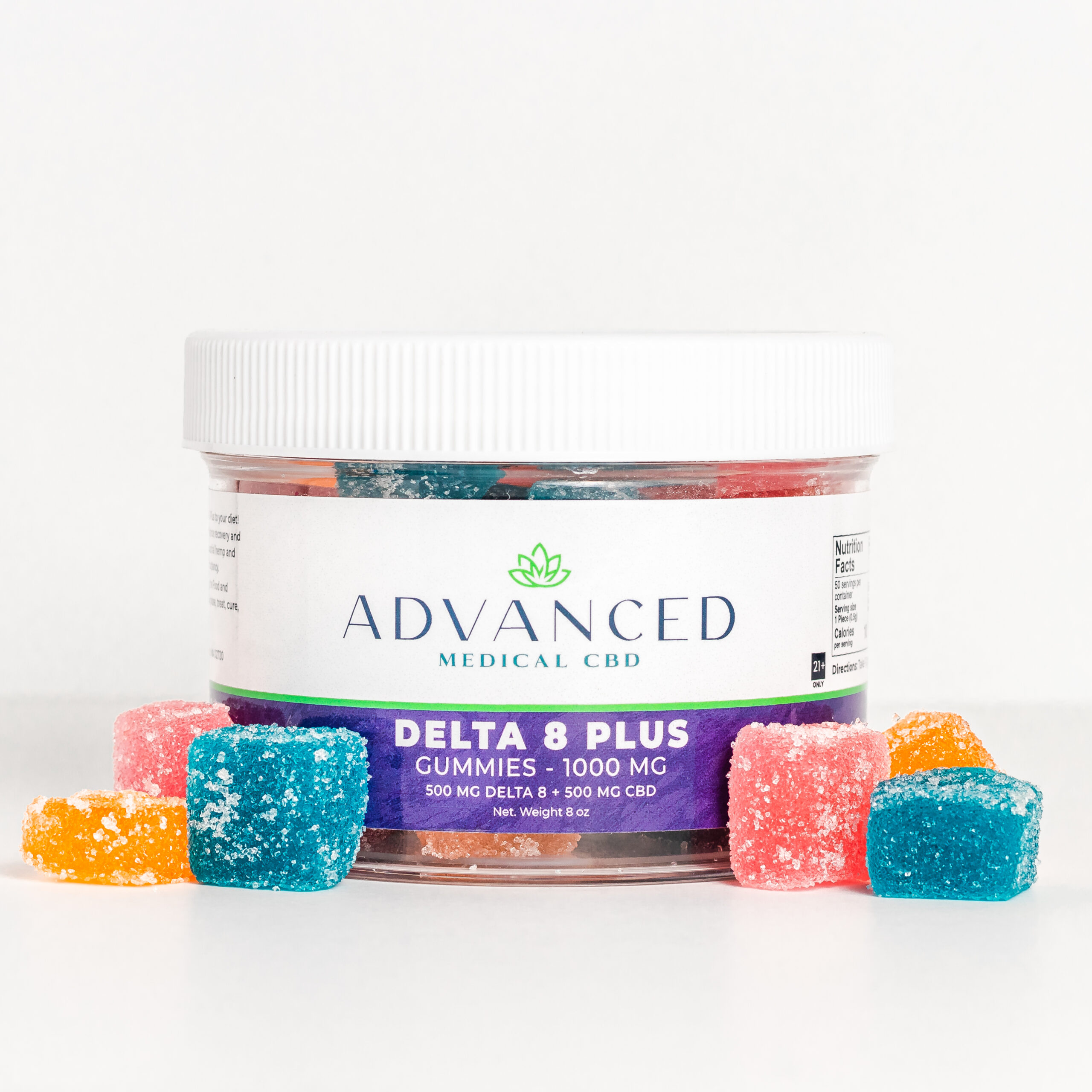
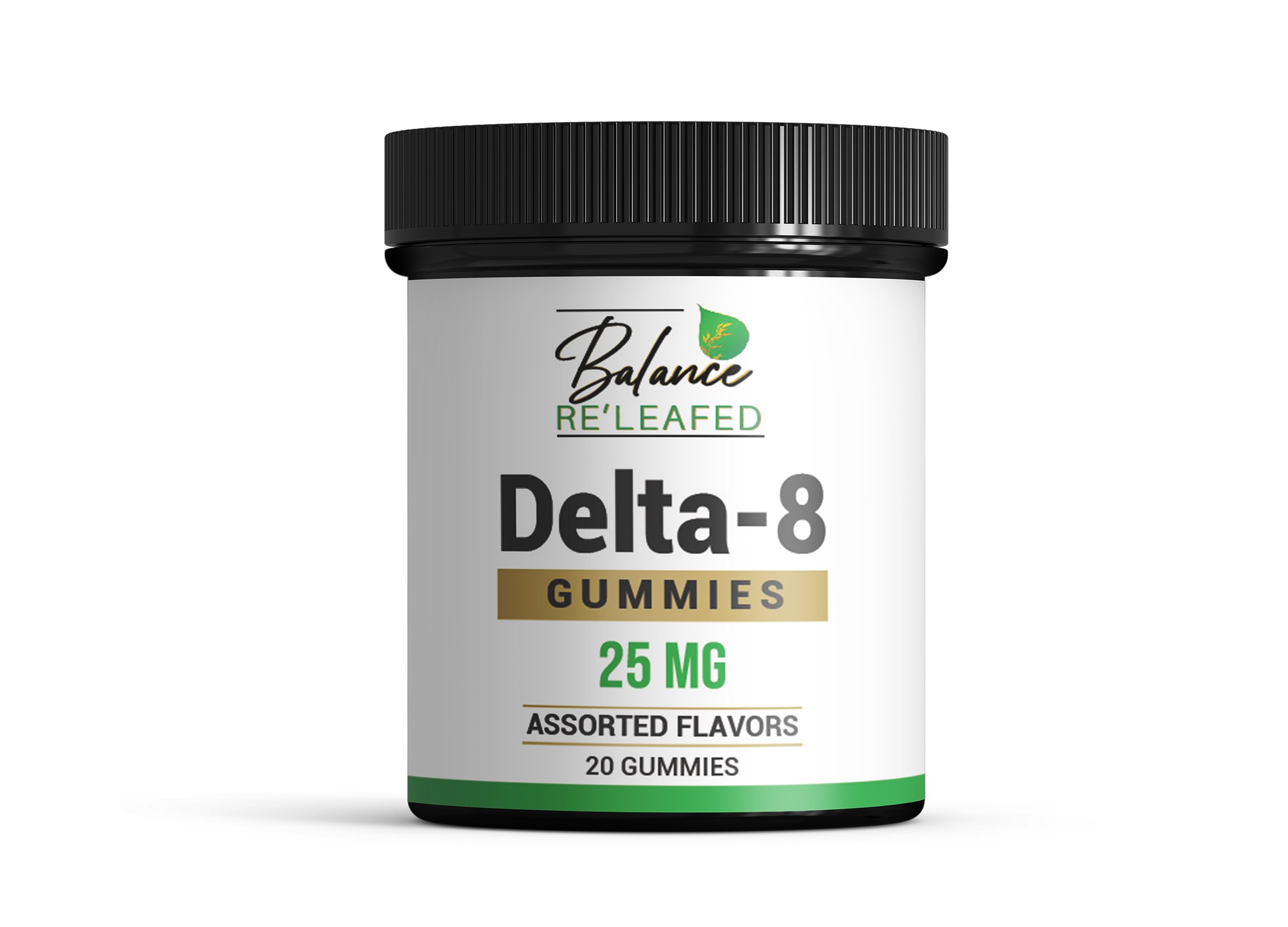
Delta 8 gummies are edibles infused with delta 8 THC extract. When consumed, these gummies are metabolized by the liver, where delta 8 THC is converted into 11-hydroxy-THC, a metabolite that crosses the blood-brain barrier more efficiently than delta 9 THC. This process contributes to the unique effects experienced by individuals consuming delta 8 gummies.
The Endocannabinoid System
To understand the effects of delta 8 gummies, it’s crucial to delve into the endocannabinoid system (ECS), a complex network of receptors and neurotransmitters found throughout the body. The ECS plays a vital role in regulating various physiological functions, including mood, memory, pain sensation, and appetite.
Effects of Delta 8 Gummies
The effects of delta 8 gummies can vary from person to person and depend on factors such as dosage, individual tolerance, and metabolism. Many users report experiencing a mild euphoria, relaxation, and heightened sensory perception without the anxiety or paranoia sometimes associated with delta 9 THC.
Potential Benefits and Considerations
While delta 8 gummies are lauded for their potential therapeutic benefits, including pain relief, stress reduction, and improved sleep, it’s essential to approach their use with caution. As with any cannabis-derived product, individuals should consult with healthcare professionals, especially if they have underlying medical conditions or are taking medications that may interact with delta 8 THC.
The Legal Landscape
The legality of delta 8 THC varies from state to state and country to country. While some jurisdictions have explicitly legalized delta 8 THC, others have banned or restricted its sale and use. Consumers should familiarize themselves with local regulations before purchasing delta 8 gummies online or from dispensaries.
Conclusion
Delta 8 gummies offer an intriguing alternative for individuals seeking the potential benefits of cannabinoids without the intense psychoactive effects often associated with delta 9 THC. By understanding the science behind delta 8 THC and its interactions with the body, consumers can make informed choices about incorporating these products into their wellness routines.
In conclusion, while delta 8 gummies may hold promise for some, further research is needed to understand their long-term effects and potential risks fully. As with any supplement or wellness product, it’s essential to approach delta 8 gummies with knowledge, caution, and moderation.

Gummy Power! The Evolution of Functional Gummy Supplements
In the world of supplements, a sweet revolution is taking place. Move over, traditional pills and capsules; the era of functional gummy supplements has dawned. From multivitamins to herbal extracts, these chewable treats are becoming increasingly popular among health enthusiasts of all ages. But what’s driving this gummy craze, and are these sugary supplements truly as effective as their conventional counterparts? Let’s delve into the sweet world of functional gummies and uncover the reasons behind their rise.
The Allure of Gummy Supplements
Gone are the days when swallowing a handful of pills was the only way to get your daily dose of vitamins and minerals. Today, consumers are drawn to gummy supplements for their convenience, portability, and, of course, their delicious flavors. Whether it’s tangy citrus or sweet berry blast, there’s a gummy variant to suit every palate.
But it’s not just about taste; gummy supplements offer a more enjoyable experience compared to traditional pills. For those who struggle with swallowing large capsules or tablets, the chewable nature of gummies provides a welcome alternative. Plus, the vibrant colors and fun shapes make taking vitamins feel less like a chore and more like a treat.

The Functional Advantage
Beyond their palatable appeal, functional gummies are gaining traction for their ability to deliver targeted health benefits. From boosting immunity to supporting sleep and relaxation, these supplements are formulated with specific ingredients to address various wellness needs. Whether you’re looking to enhance cognitive function, promote joint health, or simply fill a nutritional gap, there’s likely a gummy supplement designed to meet your requirements.
A Growing Market
The market for functional gummy supplements is booming, with an increasing number of brands entering the fray. From established health companies to innovative startups, everyone wants a piece of the gummy pie. With consumers becoming more health-conscious and seeking convenient solutions to support their well-being, the demand for these chewable supplements shows no signs of slowing down.

Quality Matters
While the popularity of gummy supplements continues to soar, it’s essential to remember that not all gummies are created equal. When choosing a functional gummy, it’s crucial to look for high-quality ingredients, transparent labeling, and reputable manufacturers. Additionally, consulting with a healthcare professional can help ensure that the supplement aligns with your individual health goals and dietary needs.
The Future of Gummy Supplements
As the demand for convenient and effective wellness solutions grows, the future looks bright for functional gummy supplements. With ongoing advancements in formulation and technology, we can expect to see even more innovative offerings hitting the market. Whether it’s adaptogenic gummies, probiotic blends, or even niche products like amanita mushrooms gummies, the possibilities are endless.
In conclusion, the rise of functional gummy supplements represents a tasty evolution in the world of wellness. With their blend of convenience, efficacy, and enjoyment, these chewable treats are transforming the way we approach supplementation. So, if you’re looking to sweeten up your health routine, why not give gummy supplements a try?

The Benefits of Furniture Disassembly and Reassembly Services
In our fast-paced world, flexibility and convenience have become paramount in every aspect of our lives. The demand for adaptable solutions extends beyond our daily routines, including how we manage our living spaces. One emerging trend that caters to this need is the utilization of furniture disassembly and reassembly services. Specifically, a service like “Sofa Disassembly and Reassembly” not only enhances flexibility but also brings forth many benefits for homeowners, renters, and businesses alike.
1. Space Optimization
The constraints of modern living often mean that we need to make the most of the space available to us. Sofa disassembly and reassembly services optimize space, making it easier to move furniture in and out of tight spaces. This is particularly advantageous for urban dwellers in apartments or homes with narrow doorways and staircases.

2. Easy Transportation
Moving homes or offices can be a daunting task, especially when it comes to transporting bulky furniture. Sofa disassembly and reassembly services simplify this process by breaking down larger pieces into more manageable components. This facilitates easier transportation and reduces the risk of damage during the move.
3. Cost-Effective Solutions
Purchasing new furniture to accommodate a new living or working space can be an expensive endeavor. Furniture disassembly and reassembly services offer a cost-effective alternative by allowing individuals and businesses to repurpose existing furniture to suit different layouts. This not only saves money but also contributes to sustainable living by reducing unnecessary waste.
4. Professional Expertise
Engaging in the disassembly and reassembly of furniture requires a certain level of expertise to ensure the job is done efficiently and without causing damage. Professional services specializing in “Sofa Disassembly and Reassembly” bring a wealth of experience and knowledge, ensuring that the process is seamless and stress-free for the customer.
5. Furniture Restoration and Repairs
Furniture disassembly provides an excellent opportunity for thorough cleaning, restoration, or repairs. This service allows professionals to address any wear and tear, replace damaged components, and refresh the furniture’s appearance. It’s a practical solution to extend the life of your beloved pieces and maintain their aesthetic appeal.
6. Versatility in Design
As interior design trends evolve, the ability to adapt existing furniture to match current styles becomes invaluable. Furniture disassembly services enable homeowners and businesses to explore new design ideas without the need for a complete overhaul. This flexibility ensures that your space remains stylish and up-to-date with minimal effort.

7. Stress-Free Renovations
Home renovations often involve moving furniture around to accommodate the work being done. Sofa disassembly and reassembly services alleviate the stress associated with these renovations by allowing for the easy relocation of furniture. This ensures that renovations can proceed smoothly without the worry of damaging valuable items.
In conclusion, the benefits of furniture disassembly and reassembly services, especially those catering to sofas, are far-reaching. From space optimization and easy transportation to cost-effective solutions and professional expertise, these services offer a convenient and practical approach to managing your living or working space. Embrace the flexibility that these services provide, and unlock the true potential of your furniture.